





Smart surveillance for elevators: detecting vandalism, overcrowding & emergencies
Incidents related to misuse, overcrowding, and human behavior remain among the most common causes of elevator service interruptions and safety events in multi-storey buildings, as highlighted by multiple elevator fault and safety studies (Journal of Electrical Systems; Guizhou Zhonghang Elevator). These findings underline a key point: elevator safety is not only a technical issue, but also a behavioral and operational one.
Today, cameras inside elevator cabins are standard in most modern buildings. An elevator security camera system typically includes a CCTV camera or a cab camera connected to a centralized video surveillance platform. However, in many cases they function purely as recording devices. Footage is reviewed only after an incident occurs, requiring time-consuming searches through archives. As a result, visibility exists — but actionable insight often comes too late.
The challenge of limited visibility in elevators
Elevators are enclosed, fast-moving, and shared by dozens or even hundreds of people every day. Unlike open public areas, events inside cabins are difficult to assess in real time even with elevator video surveillance in place. Building operators often learn about issues only after complaints, emergency calls, or post-incident reviews.
This reactive model creates several challenges. Overcrowding during peak hours may go unnoticed until delays and discomfort escalate. Acts of vandalism or misuse can repeat before patterns are identified. Emergencies inside cabins rely heavily on passengers pressing alarm buttons, which may be delayed or missed altogether. Security and facility teams are left responding after the fact, rather than preventing escalation.
Smart elevator surveillance and why it matters
The value of smart elevator surveillance lies not in the presence of cameras, but in how data fr om those cameras is used. Analytics adds a layer of understanding to what is happening inside elevator cabins and surrounding zones, transforming video into operational insight.
By analyzing passenger density, movement, and behavior through occupancy counting video analytics, building teams can identify situations that require attention as they develop. Overcrowding can be detected during rush hours. Unusual activity or abnormal movement can be flagged automatically. Usage data reveals how elevators are actually used across floors and time periods.
This approach supports both safety and efficiency. Faster awareness leads to quicker response in emergencies. Behavioral insights help optimize traffic flow and reduce stress during peak usage. Over time, data-driven visibility enables better planning, smarter maintenance decisions, and more predictable daily operations — without relying solely on manual monitoring or archive reviews.
TRASSIR’s approach to elevator monitoring
TRASSIR applies video analytics to elevators as part of a wider building safety and operations framework. Instead of replacing cameras, analytics builds on existing video infrastructure to add real-time awareness and structured insight.
For elevator environments, this includes crowd and occupancy monitoring to track cabin load, unique people counting video analytics to analyze usage patterns, and pose detection to identify abnormal movement that may indicate distress or conflict. Fire and smoke detection adds an extra safety layer in enclosed vertical spaces, while access control integration supports restricted or service elevators.
Rather than forcing operators to search through footage, events are automatically structured into clear, reviewable records. This allows teams to respond faster, identify recurring issues, and evaluate elevator usage and safety trends without manual video analysis.
Explore TRASSIR’s solutions for commercial and residential real estate.
Elevators as part of smarter building ecosystems
As buildings become more complex and densely populated, elevators can no longer be treated as isolated mechanical systems. They are part of the everyday experience of occupants and visitors — and a critical element of physical safety and operational efficiency supported by elevator video surveillance.
When video data from elevators is enhanced with analytics, building teams gain visibility not just into what happened, but into what is happening right now and what tends to happen repeatedly. This shift enables earlier intervention, reduced disruption, and greater confidence in daily operations.
By embedding elevator monitoring into a broader building ecosystem, organizations can create safer, more responsive environments wh ere vertical movement is efficient, predictable, and secure for everyone.
What's New?
All news
TRASSIR strengthens security and analytics at Başakpazar
TRASSIR strengthens security and analytics at Başakpazar
How centralized video management improves multi-site retail compliance and auditing
How centralized video management improves multi-site retail compliance and auditing
Live webinar: Beyond video surveillance — unlocking the power of AI video analytics
Live webinar: Beyond video surveillance — unlocking the power of AI video analytics
Kayaşehir Millet Bahçesi strengthens fire safety with TRASSIR
Kayaşehir Millet Bahçesi strengthens fire safety with TRASSIR

AI-powered security in co-working spaces: balancing openness with control
AI-powered security in co-working spaces: balancing openness with control
Ata Sporları Merkezi upgrades security and safety with TRASSIR
Ata Sporları Merkezi upgrades security and safety with TRASSIR
LIVE Webinar: Unlocking operational agility with AI-powered video intelligence
LIVE Webinar: Unlocking operational agility with AI-powered video intelligence
How video analytics helps prevent slip-and-fall incidents in healthcare facilities
How video analytics helps prevent slip-and-fall incidents in healthcare facilities
How 2MP PRO DualLight cameras solve real surveillance challenges
How 2MP PRO DualLight cameras solve real surveillance challenges
AGROTECH improves perimeter security and access control with TRASSIR
AGROTECH improves perimeter security and access control with TRASSIR

How AI video analytics improves emergency evacuation management in public buildings
How AI video analytics improves emergency evacuation management in public buildings

Video analytics for safe storage of hazardous materials
Video analytics for safe storage of hazardous materials
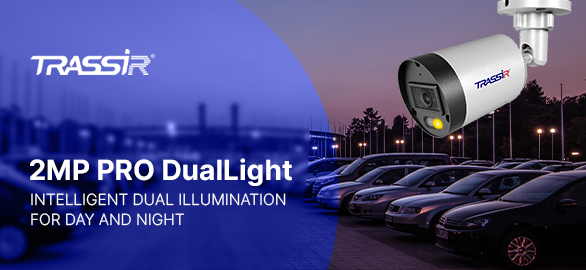
TRASSIR introduces new 2MP PRO DualLight cameras
TRASSIR introduces new 2MP PRO DualLight cameras
AI-powered perimeter protection and analytics enhance operations at a major public market
AI-powered perimeter protection and analytics enhance operations at a major public market

Centralized security across multi-branch financial institutions
Centralized security across multi-branch financial institutions
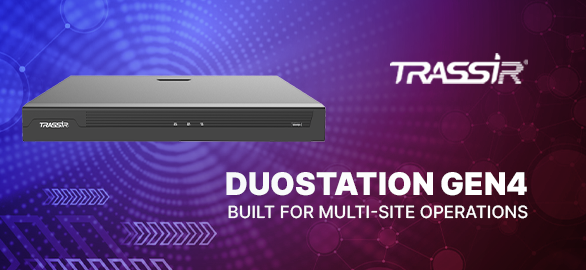
DuoStation Gen4 in real operations — centralized control across multiple locations
DuoStation Gen4 in real operations — centralized control across multiple locations

Leading jewellery retailer enhances security and analytics with TRASSIR
Leading jewellery retailer enhances security and analytics with TRASSIR
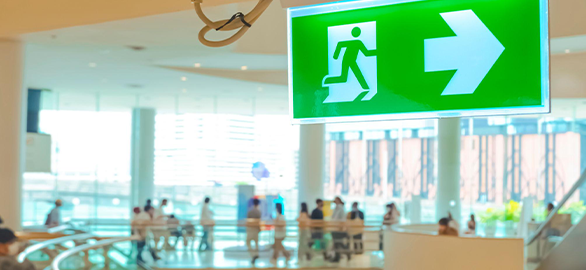
Fire prevention in crowded public spaces
Fire prevention in crowded public spaces

Premium retail store in Mumbai enhances customer insights with TRASSIR analytics
Premium retail store in Mumbai enhances customer insights with TRASSIR analytics

LIVE webinar: From retail challenges to retail intelligence — turning video data into actionable insights
LIVE webinar: From retail challenges to retail intelligence — turning video data into actionable insights
Try TRASSIR For Your Business
Learn more about how TRASSIR analytic modules work! Demo mode is an opportunity to see for yourself how the system works, and also check the interface and test all the functions.Success!
We will contact you as soon as possible