





Detecting vandalism and property damage with real-time alerts
What's New?
All news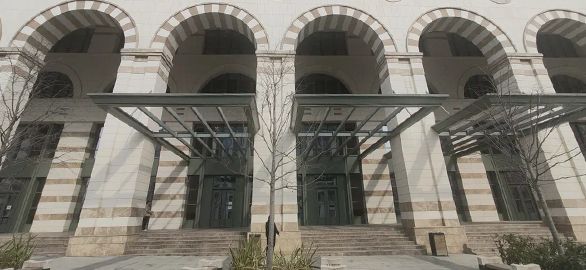
Ata Sporları Merkezi upgrades security and safety with TRASSIR
Ata Sporları Merkezi upgrades security and safety with TRASSIR
LIVE Webinar: Unlocking operational agility with AI-powered video intelligence
LIVE Webinar: Unlocking operational agility with AI-powered video intelligence
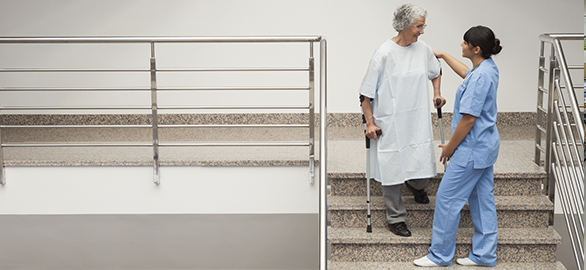
How video analytics helps prevent slip-and-fall incidents in healthcare facilities
How video analytics helps prevent slip-and-fall incidents in healthcare facilities
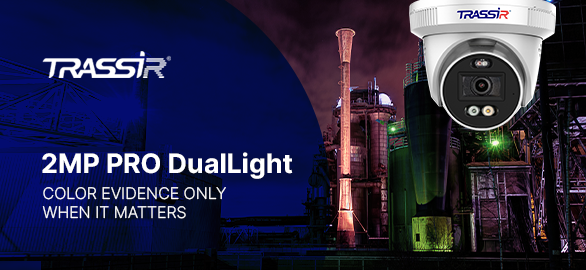
How 2MP PRO DualLight cameras solve real surveillance challenges
How 2MP PRO DualLight cameras solve real surveillance challenges

AGROTECH improves perimeter security and access control with TRASSIR
AGROTECH improves perimeter security and access control with TRASSIR

How AI video analytics improves emergency evacuation management in public buildings
How AI video analytics improves emergency evacuation management in public buildings

Video analytics for safe storage of hazardous materials
Video analytics for safe storage of hazardous materials

TRASSIR introduces new 2MP PRO DualLight cameras
TRASSIR introduces new 2MP PRO DualLight cameras
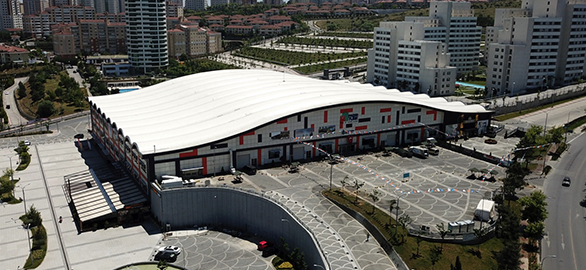
AI-powered perimeter protection and analytics enhance operations at a major public market
AI-powered perimeter protection and analytics enhance operations at a major public market

Centralized security across multi-branch financial institutions
Centralized security across multi-branch financial institutions
DuoStation Gen4 in real operations — centralized control across multiple locations
DuoStation Gen4 in real operations — centralized control across multiple locations

Leading jewellery retailer enhances security and analytics with TRASSIR
Leading jewellery retailer enhances security and analytics with TRASSIR
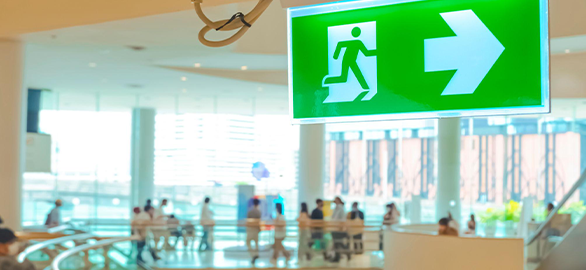
Fire prevention in crowded public spaces
Fire prevention in crowded public spaces

Premium retail store in Mumbai enhances customer insights with TRASSIR analytics
Premium retail store in Mumbai enhances customer insights with TRASSIR analytics

LIVE webinar: From retail challenges to retail intelligence — turning video data into actionable insights
LIVE webinar: From retail challenges to retail intelligence — turning video data into actionable insights

How AI video analytics can improve restaurant customer flow
How AI video analytics can improve restaurant customer flow
DuoStation Gen4 NVRs — scalable performance for modern video surveillance systems
DuoStation Gen4 NVRs — scalable performance for modern video surveillance systems

Centralized surveillance modernization for a premium jewellery retailer
Centralized surveillance modernization for a premium jewellery retailer

Detecting vandalism and property damage with real-time alerts
Detecting vandalism and property damage with real-time alerts

TRASSIR at Securex 2026 with neaMetrics
TRASSIR at Securex 2026 with neaMetrics
Try TRASSIR For Your Business
Learn more about how TRASSIR analytic modules work! Demo mode is an opportunity to see for yourself how the system works, and also check the interface and test all the functions.Success!
We will contact you as soon as possible