




Preventing Cargo Theft: Advanced Security Solutions for Logistics Centers
The logistics industry faces an unprecedented crisis as cargo theft incidents surge across global supply chains, threatening operational continuity and financial stability. With theft-related losses reaching $35 billion annually in the United States alone, logistics operators are seeking comprehensive security solutions that go beyond traditional surveillance methods. TRASSIR, the global leader in AI-powered video management systems with over 500,000 deployed projects across 42+ countries, offers cutting-edge technologies specifically designed to combat cargo theft while optimizing operational efficiency in modern distribution centers.
This comprehensive analysis examines how advanced security solutions transform logistics center protection through intelligent video analytics, real-time threat detection, and integrated operational systems that deliver measurable results for businesses of all sizes.
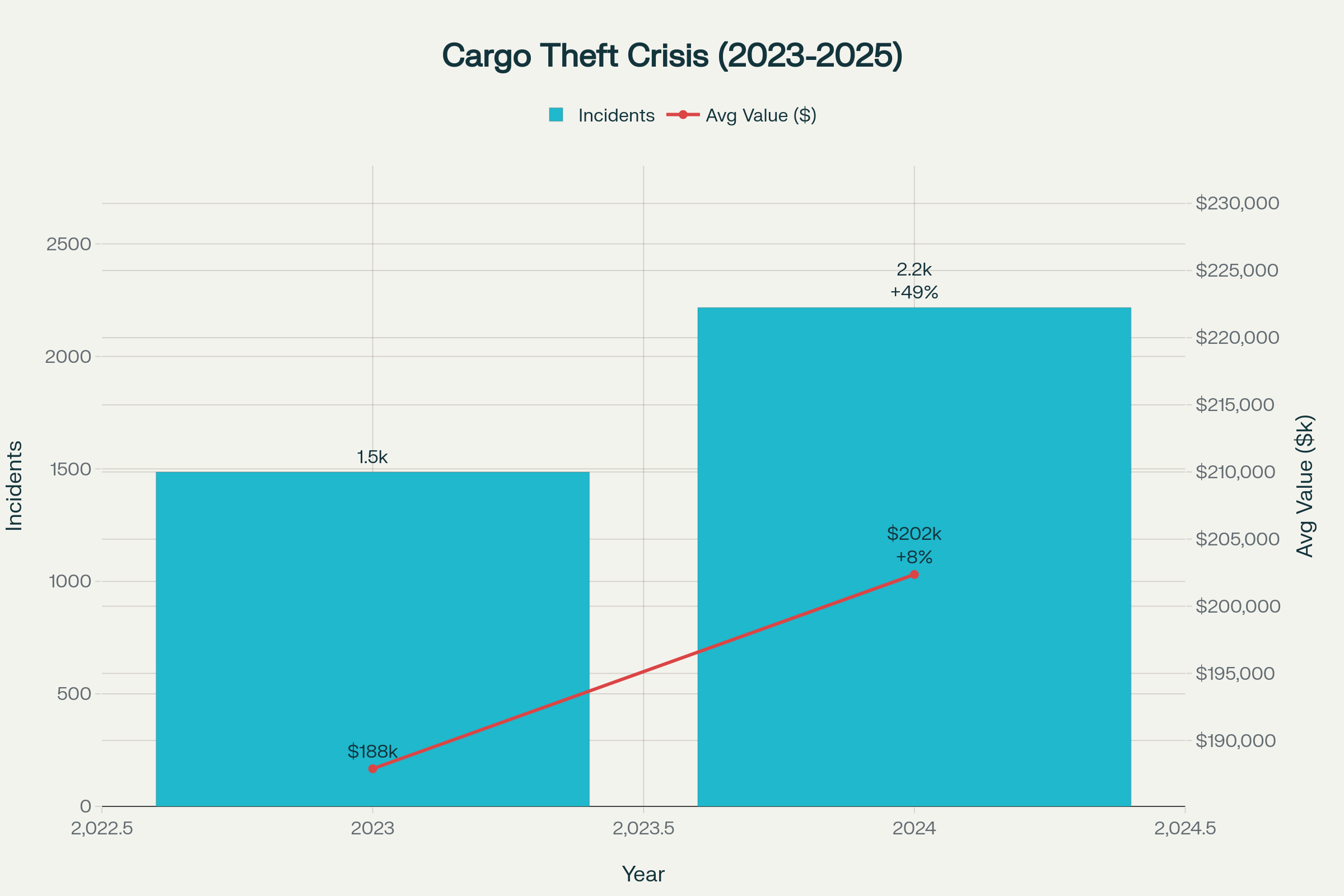
Rising cargo theft incidents and their escalating financial impact across North America, with projections showing continued growth into 2025
Cargo theft has reached crisis proportions in 2024, with 2,217 reported incidents in the United States representing a 49% increase from 2023 levels. The average financial impact per theft incident has escalated to $202,364, while industry projections indicate another 22% increase in theft volumes expected for 2025. These statistics reflect a fundamental shift in criminal methodology, with organized crime groups increasingly targeting high-value logistics operations through sophisticated tactics.
Aerial view of a modern logistics warehouse facility, illustrating the environment where advanced cargo theft prevention technologies are applied
The geographic distribution of cargo theft reveals concentrated hotspots across major logistics corridors. California accounts for 32% of national incidents, while Texas represents 19% of theft activity, demonstrating how criminals exploit vulnerabilities in high-traffic distribution networks. The temporal patterns show particularly concerning trends, with 60% of annual thefts occurring during the second half of each year, coinciding with peak holiday shipping seasons.
Strategic theft operations now comprise 18% of all incidents in the United States, representing a dramatic evolution from opportunistic crimes to sophisticated schemes involving identity deception, document forgery, and artificial intelligence-enabled fraud. These coordinated attacks target specific vulnerabilities in supply chain operations, exploiting weaknesses in both physical security infrastructure and digital systems.
Logistics centers face unique security challenges that traditional surveillance systems cannot adequately address. Food and beverage products represent 22% of all stolen commodities, followed by agricultural goods at 10% and electronics at 9%. The concentration of high-value inventory in distribution facilities creates attractive targets for criminal organizations that employ increasingly sophisticated reconnaissance and attack methodologies.
Truck-based thefts account for 76% of all cargo theft incidents, with 41% occurring during transit and 21% at warehouse facilities. This distribution pattern demonstrates how criminals exploit vulnerabilities across the entire logistics ecosystem, from loading dock operations to highway transportation corridors. The average investigation time for cargo theft incidents ranges from 3-12 hours using traditional security systems, creating costly delays and incomplete evidence trails that hinder prosecution efforts.
Warehouse shrinkage compounds these external threats, with internal theft representing 36.5% of all retail losses. Traditional security systems fail to identify suspicious employee behavior patterns or correlate video footage with inventory movements, creating dangerous operational blind spots that criminals exploit systematically.
TRASSIR transforms logistics center surveillance from passive recording to active operational intelligence through its integrated platform architecture. Unlike conventional systems that simply document events, TRASSIR's event-driven methodology synchronizes every warehouse transaction with corresponding video evidence, creating unified operational control systems that enable instant investigation capabilities.
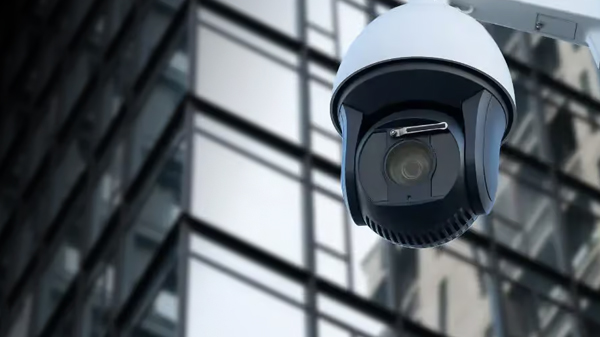
Security camera monitoring inside a logistics warehouse to prevent cargo theft
The platform's neural network architecture processes video data in real-time, identifying patterns and anomalies that human observers would miss. Machine learning algorithms continuously improve detection accuracy, adapting to each facility's unique operational characteristics and threat profiles. This intelligent approach enables security teams to focus on genuine threats while minimizing false alarms that waste valuable resources.
TRASSIR VMS platform provides 99% compatibility with existing camera infrastructure, eliminating costly hardware replacements while enabling advanced AI capabilities. This universal compatibility allows warehouses to upgrade their intelligence capabilities without disrupting current operations, ensuring seamless integration with established security protocols.
TRASSIR ActiveStock revolutionizes warehouse investigation capabilities by synchronizing video footage with operational events in real-time. This groundbreaking system integrates directly with existing WMS platforms through robust APIs, creating seamless information flow between warehouse operations and security systems.
ActiveStock categorizes video content by warehouse scenarios, enabling instant searches by product, employee, document, or operational event. Investigation teams can locate specific incidents within minutes instead of spending 3-12 hours manually reviewing footage. The Arabesque Romania implementation across 21 warehouses achieved 30% reduction in security costs through this automated approach, demonstrating quantifiable operational improvements.
The system maintains synchronized offline and online modes, ensuring continuous operation even during network interruptions. Advanced search capabilities allow security teams to quickly identify patterns across multiple events, enabling proactive threat identification and operational optimization.
TRASSIR Neuro Detector eliminates the false alarm problem that plagues traditional motion detection systems. Using advanced neural networks, the system achieves 95%+ accuracy in distinguishing between authorized personnel, vehicles, and potential security threats.
The technology recognizes humans, vehicles, and bicycles with exceptional precision, virtually eliminating false positives that waste security resources. This accuracy improvement allows warehouses to implement automated alert systems without overwhelming security teams with irrelevant notifications.
Neuro Detector supports distributed processing architectures, enabling warehouses to balance computational loads across their infrastructure. The system provides 24/7 autonomous monitoring capabilities, reducing staffing requirements while maintaining comprehensive coverage of critical areas.
TRASSIR Face Recognition delivers 99.8% accuracy in personnel identification, providing military-grade security for sensitive warehouse areas. The system includes live face verification with anti-spoofing technology, preventing unauthorized access through photographs or video playback attempts.
Advanced attribute-based search capabilities enable security teams to locate individuals based on age, gender, accessories, or other distinguishing characteristics. Database synchronization ensures real-time updates across all facility access points, maintaining consistent security protocols throughout complex warehouse environments.
The technology streamlines visitor management processes while maintaining comprehensive access logs for compliance auditing. Automated personnel tracking capabilities provide valuable operational insights, helping facility managers optimize staffing patterns and identify security vulnerabilities.
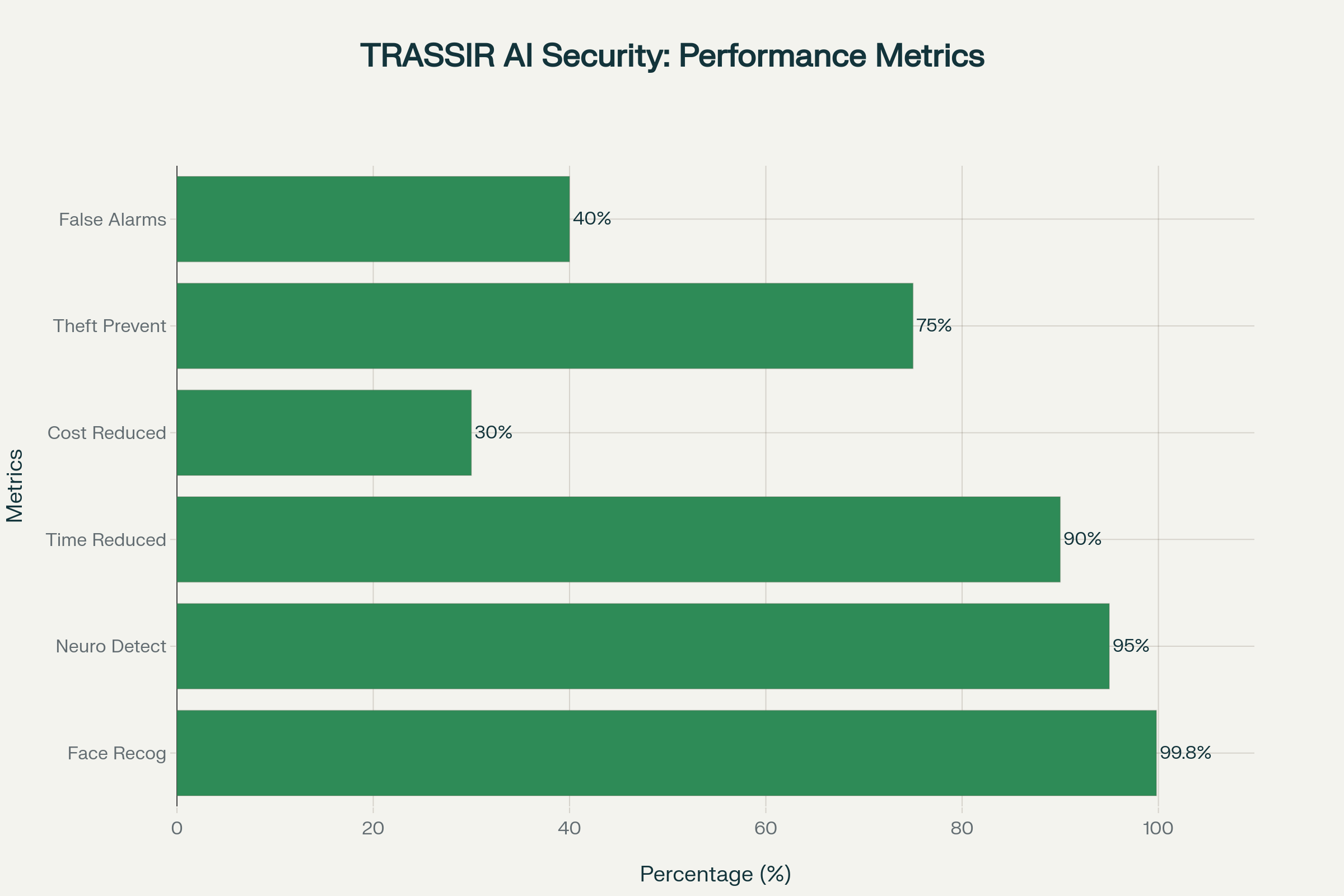
Quantified performance improvements achieved through TRASSIR's AI-powered surveillance and security solutions in logistics environments
The Saudi Logistics Services (SAL) implementation demonstrates how comprehensive video intelligence transforms large-scale warehouse operations. SAL, which handles 99% of Saudi Arabia's incoming and outgoing air cargo, replaced their existing VMS with TRASSIR's integrated platform across their Dammam facility.
The deployment included 5 NeuroStation 8800R/64 INT units integrated with 300 cameras of different brands, creating a unified security ecosystem that replaced inadequate legacy systems. The implementation enhanced operational efficiency through automated vehicle tracking and optimized clearance processes, enabling faster turnaround times while maintaining strict security protocols.
Real-time monitoring capabilities provided seamless workflow integration without disrupting established procedures, allowing SAL to maintain operational continuity during the security system transition. The integrated approach addressed both traditional security concerns and emerging operational optimization requirements.
The Arabesque Romania deployment across 21 warehouses achieved 30% reduction in security costs through automated access control and streamlined investigation processes. As Romania's No. 1 construction solutions supplier with 38 points of sale and a fleet of more than 1,000 specialized trucks, Arabesque required comprehensive security solutions that could scale across distributed operations.
The implementation utilized TRASSIR VMS and TRASSIR Neuro Detector modules to enable automated control of warehousing facilities, preventing theft and human errors in goods handling. The system's ability to quickly locate and analyze security events eliminated the need for extensive manual investigation resources, creating measurable operational improvements.
Quick search capabilities in violation archives and automated alert generation for security services enabled rapid response to alarm events. The monitoring of loading and unloading operations provided comprehensive oversight of critical operational phases where theft vulnerabilities typically occur.
TRASSIR's cyber-physical security integration (CPSI) methodology treats every camera, sensor, and access control device as an active cybersecurity endpoint rather than passive surveillance equipment. This approach addresses the growing threat of ransomware attacks targeting logistics networks, which have surged by 431% since 2021.
The platform's Linux-based hardened architecture eliminates common ransomware attack vectors while maintaining extensive hardware compatibility. Real-time bidirectional integration with SIEM platforms ensures that physical security events immediately trigger cybersecurity alerts, while digital threat indicators automatically focus physical security resources on relevant areas.
TRASSIR's edge computing architecture processes video analytics and threat detection locally, reducing network bandwidth requirements while enabling sub-2-second response times for critical security events. This distributed processing model ensures continued protection even if network connectivity becomes compromised during cyber attacks.
The platform employs proprietary neural networks trained specifically on logistics and warehouse environments, delivering 95% accuracy in detecting suspicious behaviors that often precede theft incidents. The system identifies unauthorized personnel in server rooms, unusual after-hours activity, and attempts to physically access network infrastructure.
Predictive security intelligence analyzes patterns across multiple timeframes to anticipate potential security incidents. The AI identifies when individuals spend excessive time photographing network equipment, access secure areas outside normal work patterns, or demonstrate behaviors consistent with theft preparation.
Automated response workflows trigger lockdown procedures, alert security personnel, and begin recording high-resolution video for forensic analysis when suspicious behaviors are detected. This automated capability reduces incident response times by 45% compared to manual monitoring approaches.
Most warehouse implementations achieve return on investment within 12 months, with some facilities reporting payback periods as short as 4-6 months. These rapid ROI achievements result from reduced theft losses, decreased investigation time, improved operational efficiency, and enhanced insurance claim processing capabilities.
Organizations implementing TRASSIR solutions report 65% reductions in incident response times through automated correlation between physical and cyber events. False security alerts decrease by 40% due to AI-powered filtering and contextual analysis capabilities, while overall security operations costs decrease by 25% through centralized management and automated response workflows.
The prevention-focused approach delivers ROI through avoided incidents rather than recovered losses. Organizations implementing comprehensive security deployments report decreased cybersecurity insurance premiums as insurers recognize the enhanced security posture provided by integrated physical-cyber security systems.
TRASSIR Theft Prevention modules help reduce losses from shoplifting by up to 75% in retail environments, while warehouse-specific implementations achieve similar theft reduction rates. The system's ability to maintain comprehensive databases across multiple facility locations enables coordinated security responses and pattern identification across distributed operations.
Investigation time reductions from hours to minutes create substantial labor cost savings while improving security team effectiveness. Centralized security management capabilities enable organizations to maintain consistent security protocols across multiple facilities without proportional increases in security staffing requirements.
Enhanced evidence collection and forensic capabilities improve prosecution success rates while providing comprehensive audit trails for compliance requirements. These improvements create measurable reductions in repeat offense patterns and long-term theft deterrence effects.
As supply chains become increasingly automated, security systems must evolve to protect unmanned facilities and respond to threats without human intervention. 45% of supply chains will operate autonomously by 2035, requiring security systems capable of protecting lights-out warehouse operations and remote logistics facilities.
TRASSIR's edge computing architecture and AI-powered analytics position organizations for this autonomous future. The platform's ability to process threats locally and trigger automated responses ensures continued protection in fully automated logistics environments with minimal human oversight requirements.
Integration capabilities with warehouse management systems, transportation management platforms, and enterprise resource planning systems create unified operational intelligence that supports both security and operational optimization objectives. This convergence enables security investments to deliver dual-purpose value as operational intelligence platforms.
Emerging regulations increasingly require organizations to demonstrate comprehensive cybersecurity controls that extend beyond traditional IT infrastructure. Physical security systems must meet enterprise security standards, creating compliance obligations that traditional video surveillance cannot address effectively.
TRASSIR's cybersecurity-first architecture ensures that video management infrastructure meets enterprise security standards from deployment. Built-in encryption, access controls, and audit logging capabilities provide the documentation and controls required for regulatory compliance across multiple jurisdictions.
The platform's ability to correlate physical and digital security events creates comprehensive incident documentation that supports compliance reporting requirements while enabling proactive security posture improvements.
Successful TRASSIR deployments require comprehensive planning that addresses both immediate security requirements and long-term operational scalability. The platform's modular architecture enables phased implementation approaches that minimize operational disruption while delivering immediate security improvements.
Integration with existing warehouse management systems, access control platforms, and enterprise security infrastructure requires careful coordination to ensure seamless operational workflows. TRASSIR's extensive API capabilities and hardware compatibility enable integration with most existing logistics technology environments.
Change management considerations include security team training, operational procedure updates, and stakeholder communication strategies that ensure successful adoption across all organizational levels. The platform's intuitive interface design minimizes training requirements while providing comprehensive functionality for advanced users.
Organizations evaluating TRASSIR implementations should consider both direct security cost reductions and indirect operational benefits. Direct benefits include reduced theft losses, decreased investigation time, and improved security team efficiency. Indirect benefits encompass insurance premium reductions, improved operational visibility, and enhanced compliance capabilities.
The total cost of ownership analysis should include initial implementation costs, ongoing licensing fees, maintenance requirements, and training expenses. However, the rapid payback periods typically achieved through theft prevention and operational efficiency improvements create compelling business cases for comprehensive security investments.
Long-term value considerations include the platform's ability to adapt to evolving security threats, integrate with emerging technologies, and support business growth without requiring complete system replacements. This future-ready architecture provides sustainable competitive advantages that extend beyond immediate security improvements.
The escalating cargo theft crisis demands comprehensive security solutions that integrate advanced technology with operational intelligence to protect logistics operations effectively. TRASSIR's proven AI-powered platform delivers quantifiable improvements in security effectiveness, operational efficiency, and cost management through event-driven video intelligence that transforms traditional surveillance into active operational control systems.
With cargo theft incidents projected to increase by 22% in 2025 and average losses exceeding $200,000 per incident, logistics operators cannot afford to maintain reactive security approaches. TRASSIR's integrated platform architecture addresses both traditional security concerns and emerging cyber-physical threats while delivering rapid return on investment through measurable operational improvements.
The success of implementations at Saudi Logistics Services, Arabesque Romania, and hundreds of other facilities worldwide demonstrates the effectiveness of comprehensive security approaches that combine AI-powered threat detection, operational system integration, and predictive analytics capabilities. Organizations implementing TRASSIR solutions gain competitive advantages through enhanced operational visibility, reduced loss exposure, and improved compliance capabilities that support long-term business growth.
As logistics operations become increasingly automated and interconnected, security systems must evolve to provide both protection and operational intelligence. TRASSIR's cyber-physical security integration methodology creates unified defense architectures that address current threats while providing the technological foundation necessary to adapt to future security challenges and operational requirements.
The choice between passive surveillance and active operational intelligence will determine which organizations successfully navigate the evolving threat landscape while maintaining competitive operational efficiency. TRASSIR's comprehensive security solutions provide the intelligent capabilities necessary to protect assets, optimize operations, and deliver measurable value in today's challenging logistics environment.
Articles
All articles
The Complete Guide to Retail Crowd Density Monitoring Using Video Analytics
The Complete Guide to Retail Crowd Density Monitoring Using Video Analytics

The Ultimate Guide to Occupancy Tracking Technology: Systems, Sensors, and Strategy
The Ultimate Guide to Occupancy Tracking Technology: Systems, Sensors, and Strategy

Maximizing Retail Performance: The Ultimate Guide to Heat Mapping Technology
Maximizing Retail Performance: The Ultimate Guide to Heat Mapping Technology

The Complete Guide to Deploying AI Video Analytics in Retail and Enterprise
The Complete Guide to Deploying AI Video Analytics in Retail and Enterprise

How to Design a Scalable Video Surveillance System for Multi-Site Retail
How to Design a Scalable Video Surveillance System for Multi-Site Retail

Upgrading Legacy CCTV: How to Integrate AI Without a Rip-and-Replace
Upgrading Legacy CCTV: How to Integrate AI Without a Rip-and-Replace

Upgrading Legacy CCTV: The Complete Guide to AI Security Camera Integration
Upgrading Legacy CCTV: The Complete Guide to AI Security Camera Integration
The Evolution of Video Analytics: How AI Transforms Security and Operations
The Evolution of Video Analytics: How AI Transforms Security and Operations

How AI Video Surveillance Solves Security Staffing Shortages and Reduces Costs
How AI Video Surveillance Solves Security Staffing Shortages and Reduces Costs

Maximizing Security System ROI: The Financial Case for Smart Surveillance
Maximizing Security System ROI: The Financial Case for Smart Surveillance

How to Calculate the ROI of a Business Security System
How to Calculate the ROI of a Business Security System
Master Multi-Brand CCTV Management: The Ultimate Guide to Brand-Agnostic Surveillance
Master Multi-Brand CCTV Management: The Ultimate Guide to Brand-Agnostic Surveillance

Strategic Guide to Retail Video Surveillance Migration: Upgrading Legacy Systems
Strategic Guide to Retail Video Surveillance Migration: Upgrading Legacy Systems

How to Reduce Commercial Security Costs Without Compromising Protection
How to Reduce Commercial Security Costs Without Compromising Protection

How to Reduce Retail Operational Costs With Video Analytics
How to Reduce Retail Operational Costs With Video Analytics

Security Staffing Optimization: The Complete 2026 Guide
Security Staffing Optimization: The Complete 2026 Guide

AI Retail Theft Prevention: How Smart Cameras Stop Shrinkage
AI Retail Theft Prevention: How Smart Cameras Stop Shrinkage

Modern Shopping Center Security Systems: The Complete Guide
Modern Shopping Center Security Systems: The Complete Guide

Video Management Systems Explained: Features, Benefits, and How to Choose the Right VMS
Video Management Systems Explained: Features, Benefits, and How to Choose the Right VMS

The Reality of the Single Pane of Glass: Achieving Unified IT Visibility
The Reality of the Single Pane of Glass: Achieving Unified IT Visibility
Try TRASSIR For Your Business
Learn more about how TRASSIR analytic modules work! Demo mode is an opportunity to see for yourself how the system works, and also check the interface and test all the functions.Success!
We will contact you as soon as possible