




The Evolution of Video Analytics: How AI Transforms Security and Operations
The Limits of Traditional Monitoring
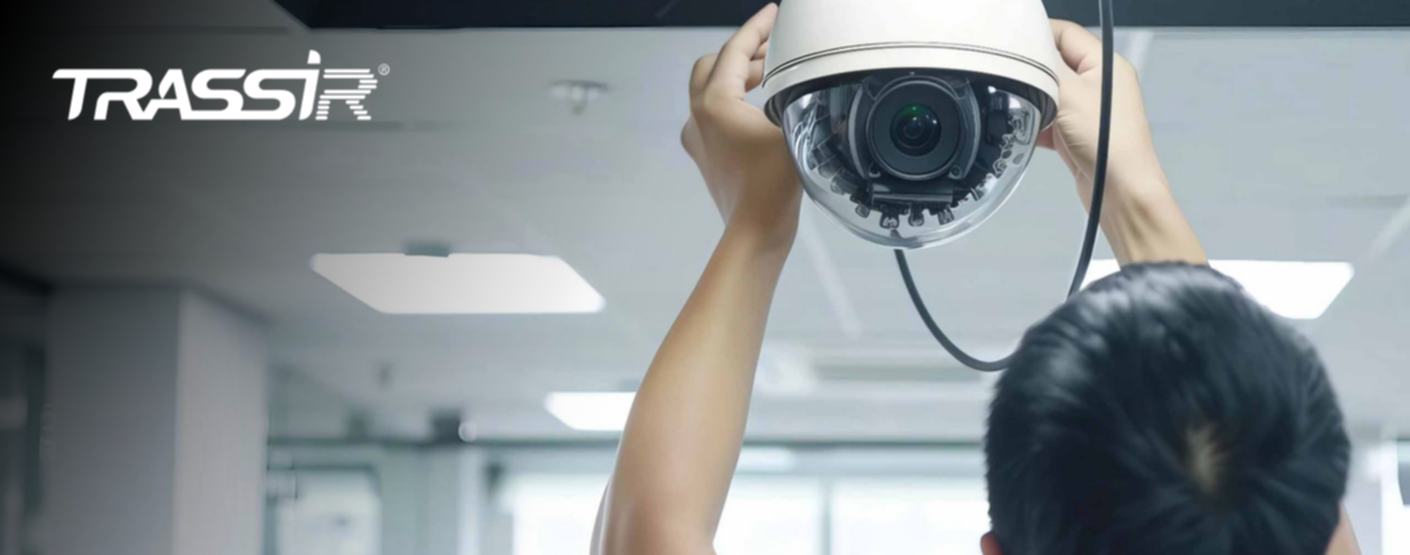
Traditional video monitoring systems rely heavily on continuous human supervision, a method that is inherently flawed. Security personnel tasked with watching multiple screens for extended periods inevitably experience fatigue and distraction, making it easy to miss critical events. In high-traffic or high-risk environments, human reaction times are often too slow to prevent incidents from escalating.
Furthermore, conventional monitoring is fundamentally reactive. Because footage is typically only reviewed after a breach, theft, or accident has taken place, the system acts primarily as a forensic tool rather than a preventive one. As organizations grow and add more cameras to their networks, they inadvertently create a data overload. Without an automated way to filter and analyze this massive volume of footage, adding hardware simply increases the operational burden without meaningfully improving safety or efficiency.
How AI Powers Modern Analytics
The foundation of modern video analytics lies in advanced artificial intelligence and machine learning algorithms. Instead of relying on basic, pixel-based motion detection, today's systems are trained to interpret complex visual scenes. They can accurately identify specific objects—such as people, vehicles, or machinery—track their movements, and understand behavioral patterns over time.
A major driver of this accessibility is the integration of deep learning processing units directly into surveillance devices. By processing visual data at the network edge, modern cameras analyze footage locally rather than transmitting massive video files to centralized cloud servers. The devices only need to send the necessary metadata for classification and alerts. This dramatically reduces the required bandwidth and storage footprint, driving down operational costs and making high-level analytics accessible to businesses of all sizes. Over time, these machine learning models continuously refine their accuracy, adapting to their specific environments to minimize false alerts.
Proactive Security and Threat Detection
Modern security requires a level of speed and precision that manual observation simply cannot provide. AI-driven video analytics continuously scans live feeds to detect potential threats the moment they arise. Systems can be configured with specific parameters, such as flagging unauthorized access in restricted zones, detecting individuals loitering near perimeters, or identifying unexpected movement outside of normal business hours. Some advanced setups even incorporate audio analytics to recognize sounds like breaking glass or cries for help, triggering immediate alerts to response teams.
One of the most valuable security benefits of AI is the drastic reduction of false alarms. Traditional motion sensors are notorious for triggering alerts over irrelevant environmental changes, such as moving shadows, shifting lighting, or passing animals. Intelligent analytics can distinguish between benign background activity and genuine suspicious behavior. By filtering out the noise, security teams can focus their resources and attention entirely on verified, real-time threats.
Driving Efficiency Across Industries
Beyond mitigating physical risks, intelligent video systems excel at streamlining daily business operations. By analyzing how people and resources move through physical spaces, video analytics provides data-backed insights that help managers eliminate bottlenecks and optimize workflows across a variety of sectors.
Retail Layouts and Staffing
In retail environments, the same cameras used to deter theft can monitor customer foot traffic. Analytics can identify peak shopping hours, track dwell times in specific aisles, and alert managers when a long queue is forming at the checkout. This data allows retailers to dynamically adjust staffing levels, redesign store layouts to reduce congestion, and ensure high-demand shelves remain properly stocked.
Manufacturing and Industrial Safety
Factory floors and warehouses utilize visual data to track assembly line efficiency and enforce safety protocols. Thermal cameras can monitor equipment to detect overheating machinery before it causes a catastrophic breakdown or fire. The systems can also ensure compliance by identifying employees in restricted areas, spotting missing safety gear, or flagging poorly manufactured products on the assembly line, adding a robust layer of automated quality assurance.
Healthcare Patient Monitoring
Hospitals are adopting video analytics to facilitate virtual patient monitoring, providing continuous oversight without overextending nursing staff. AI systems can alert medical teams if a high-risk patient attempts to leave their bed, significantly reducing the liability and injury risk associated with slip-and-fall incidents. Coupled with audio detection for labored breathing or distress, these tools improve patient outcomes while ensuring emergency exits and corridors remain compliant with safety regulations.
Privacy, Compliance, and Ethics
As monitoring technology grows more sophisticated, organizations must proactively balance security objectives with individual privacy rights. Implementing AI video analytics requires strict adherence to data protection regulations and ethical data practices.
To prevent the misuse of visual information, businesses must establish clear policies governing data retention, secure storage, and strict access controls. Many intelligent systems utilize anonymization techniques—such as blurring faces or converting individuals into metadata points—to extract operational insights without compromising personal privacy. Maintaining transparency with employees, customers, and visitors about how and why video data is collected is crucial for building trust and ensuring that the technology is viewed as a tool for safety and optimization, rather than invasive surveillance.
Security and operational efficiency are no longer competing priorities; they are interconnected goals that can be managed through a unified technological approach. By shifting from passive recording to intelligent, real-time analysis, AI-based video analytics transforms standard camera networks into powerful engines for proactive decision-making. Whether identifying a security threat before it escalates, optimizing a retail layout, or preventing a costly equipment failure, visual data provides measurable value across the entire enterprise. As AI capabilities continue to evolve, organizations that strategically adopt these intelligent systems will be best positioned to protect their assets while driving sustainable operational growth.
Key Takeaways:
AI video analytics transforms passive camera networks into proactive security and business intelligence tools.
Edge computing reduces bandwidth and storage costs by processing data directly on the device.
Machine learning drastically reduces false alarms by distinguishing between genuine threats and environmental noise.
Visual data helps optimize staffing, eliminate workflow bottlenecks, and enforce safety compliance across retail, manufacturing, and healthcare.
Ethical implementation requires strict data retention policies, secure access controls, and transparent privacy practices.
FAQ:
Q: Do businesses need to completely replace their current cameras to use video analytics?
A: Not necessarily. Many modern video analytics platforms are designed to integrate seamlessly with existing IP camera systems, making it possible to upgrade capabilities without a complete hardware overhaul.
Q: How does edge processing reduce costs for video surveillance?
A: Edge processing analyzes footage directly on the camera and only sends the resulting metadata to the cloud or central server. This eliminates the need to transmit and store massive, continuous video files.
Q: Can video analytics help businesses save money on security staffing?
A: Yes. By automating threat detection and filtering out false alarms, security teams can monitor larger areas more effectively, reducing the reliance on massive teams of human guards manually watching screens.
Q: What happens to the privacy of individuals captured on analytical cameras?
A: Responsible deployments use anonymization features like facial blurring and metadata extraction. Organizations should also enforce strict data retention and access policies to comply with privacy regulations.
Articles
All articles
The Complete Guide to Retail Crowd Density Monitoring Using Video Analytics
The Complete Guide to Retail Crowd Density Monitoring Using Video Analytics

The Ultimate Guide to Occupancy Tracking Technology: Systems, Sensors, and Strategy
The Ultimate Guide to Occupancy Tracking Technology: Systems, Sensors, and Strategy
Maximizing Retail Performance: The Ultimate Guide to Heat Mapping Technology
Maximizing Retail Performance: The Ultimate Guide to Heat Mapping Technology
The Complete Guide to Deploying AI Video Analytics in Retail and Enterprise
The Complete Guide to Deploying AI Video Analytics in Retail and Enterprise

How to Design a Scalable Video Surveillance System for Multi-Site Retail
How to Design a Scalable Video Surveillance System for Multi-Site Retail

Upgrading Legacy CCTV: How to Integrate AI Without a Rip-and-Replace
Upgrading Legacy CCTV: How to Integrate AI Without a Rip-and-Replace

Upgrading Legacy CCTV: The Complete Guide to AI Security Camera Integration
Upgrading Legacy CCTV: The Complete Guide to AI Security Camera Integration
The Evolution of Video Analytics: How AI Transforms Security and Operations
The Evolution of Video Analytics: How AI Transforms Security and Operations

How AI Video Surveillance Solves Security Staffing Shortages and Reduces Costs
How AI Video Surveillance Solves Security Staffing Shortages and Reduces Costs

Maximizing Security System ROI: The Financial Case for Smart Surveillance
Maximizing Security System ROI: The Financial Case for Smart Surveillance

How to Calculate the ROI of a Business Security System
How to Calculate the ROI of a Business Security System
Master Multi-Brand CCTV Management: The Ultimate Guide to Brand-Agnostic Surveillance
Master Multi-Brand CCTV Management: The Ultimate Guide to Brand-Agnostic Surveillance

Strategic Guide to Retail Video Surveillance Migration: Upgrading Legacy Systems
Strategic Guide to Retail Video Surveillance Migration: Upgrading Legacy Systems

How to Reduce Commercial Security Costs Without Compromising Protection
How to Reduce Commercial Security Costs Without Compromising Protection
How to Reduce Retail Operational Costs With Video Analytics
How to Reduce Retail Operational Costs With Video Analytics
Security Staffing Optimization: The Complete 2026 Guide
Security Staffing Optimization: The Complete 2026 Guide

AI Retail Theft Prevention: How Smart Cameras Stop Shrinkage
AI Retail Theft Prevention: How Smart Cameras Stop Shrinkage

Modern Shopping Center Security Systems: The Complete Guide
Modern Shopping Center Security Systems: The Complete Guide
Video Management Systems Explained: Features, Benefits, and How to Choose the Right VMS
Video Management Systems Explained: Features, Benefits, and How to Choose the Right VMS

The Reality of the Single Pane of Glass: Achieving Unified IT Visibility
The Reality of the Single Pane of Glass: Achieving Unified IT Visibility
Try TRASSIR For Your Business
Learn more about how TRASSIR analytic modules work! Demo mode is an opportunity to see for yourself how the system works, and also check the interface and test all the functions.Success!
We will contact you as soon as possible