





Maximizing Security System ROI: The Financial Case for Smart Surveillance
The Financial Drain of Traditional Security Operations
Legacy security systems create substantial financial burdens that extend far beyond the initial hardware purchase. Outdated analog cameras and unintegrated access control systems require constant human oversight to be even marginally effective. Maintaining a single 24-hour security post requires multiple full-time equivalent employees to cover nights, weekends, and holidays. When factoring in benefits, turnover, training, and overhead, manual monitoring becomes an overwhelming line item for most organizational budgets.
Furthermore, human monitoring is inherently flawed and highly inefficient. Studies have shown that human operators often miss the vast majority of on-screen activity after just twenty minutes of continuous observation. This biological limitation means that traditional surveillance frequently fails to catch incidents in real time, leading to expensive post-event investigations. Relying on outdated equipment also introduces hidden costs through frequent repairs, system downtime, and a lack of modern integration capabilities.
Direct Cost Savings Through AI and Automation
Intelligent video surveillance fundamentally changes the economics of facility protection by automating the monitoring process. Advanced analytics continuously scan all camera feeds simultaneously without experiencing fatigue, distraction, or bias. This allows organizations to restructure their security departments, shifting personnel away from passive observation and toward active incident response. Facilities implementing these smart systems frequently reduce their security staffing overhead significantly while achieving better overall coverage.
Another major financial advantage lies in utilizing existing infrastructure. Modern AI platforms are often designed to integrate seamlessly with a facility's current IP cameras and network architecture. Decision-makers can deploy enterprise-grade analytics without undertaking costly construction projects or executing a total hardware rip-and-replace. This scalable approach limits initial capital expenditure and accelerates the timeframe for a positive financial return.
The Economics of Proactive Incident Prevention
The most substantial financial impacts of intelligent surveillance stem from avoiding catastrophic events rather than simply streamlining staff. Advanced systems use behavioral analytics to detect unauthorized access, loitering, or even physical altercations before damage occurs. Early detection provides security teams with the crucial response time needed to neutralize a situation before it escalates into a major crisis. Preventing a single significant theft or violent incident can save an organization hundreds of thousands of dollars in direct losses.
Beyond immediate physical damage, security breaches carry a cascading series of secondary costs. Major incidents often result in extensive legal fees, liability claims, regulatory fines, and lasting damage to brand reputation. By filtering out false alarms—such as weather events or animals—AI ensures that security teams only respond to genuine threats. This proactive posture minimizes organizational liability and protects the company's public standing.
Operational Efficiency and Insurance Benefits
The data collected by smart surveillance systems offers immense value beyond traditional security applications. Managers in logistics, retail, and manufacturing routinely use video analytics to identify workflow bottlenecks and monitor safety compliance. By analyzing movement patterns and access logs, organizations can streamline employee routines, optimize shift schedules, and enforce safety protocols. These operational enhancements drive productivity improvements that directly benefit the bottom line.
Additionally, the insurance industry heavily favors organizations that implement proactive risk management solutions. Continuous, automated surveillance paired with digital audit trails provides undeniable proof of a secure environment. Businesses equipped with modern, monitored systems frequently qualify for noticeable reductions in their annual insurance premiums. Over the lifespan of a commercial facility, these recurring premium discounts contribute heavily to the system's overall return on investment.
How to Calculate Your Security ROI
Establishing a clear return on investment requires organizations to measure baseline costs against projected savings and operational gains. The primary financial metrics should include reductions in personnel costs, the statistical value of prevented incidents, and efficiency improvements. A standard mathematical approach to determining this value uses a straightforward formula:
Articles
All articles
The Complete Guide to Retail Crowd Density Monitoring Using Video Analytics
The Complete Guide to Retail Crowd Density Monitoring Using Video Analytics

The Ultimate Guide to Occupancy Tracking Technology: Systems, Sensors, and Strategy
The Ultimate Guide to Occupancy Tracking Technology: Systems, Sensors, and Strategy

Maximizing Retail Performance: The Ultimate Guide to Heat Mapping Technology
Maximizing Retail Performance: The Ultimate Guide to Heat Mapping Technology

The Complete Guide to Deploying AI Video Analytics in Retail and Enterprise
The Complete Guide to Deploying AI Video Analytics in Retail and Enterprise

How to Design a Scalable Video Surveillance System for Multi-Site Retail
How to Design a Scalable Video Surveillance System for Multi-Site Retail

Upgrading Legacy CCTV: How to Integrate AI Without a Rip-and-Replace
Upgrading Legacy CCTV: How to Integrate AI Without a Rip-and-Replace

Upgrading Legacy CCTV: The Complete Guide to AI Security Camera Integration
Upgrading Legacy CCTV: The Complete Guide to AI Security Camera Integration
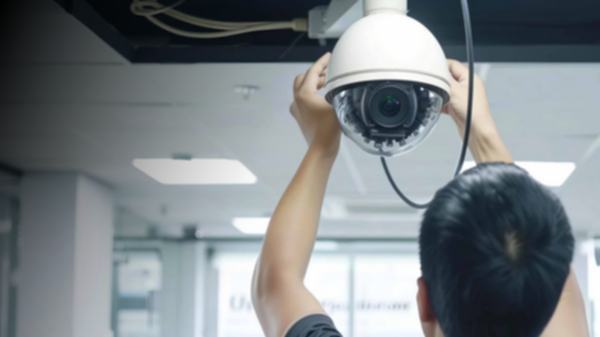
The Evolution of Video Analytics: How AI Transforms Security and Operations
The Evolution of Video Analytics: How AI Transforms Security and Operations

How AI Video Surveillance Solves Security Staffing Shortages and Reduces Costs
How AI Video Surveillance Solves Security Staffing Shortages and Reduces Costs

Maximizing Security System ROI: The Financial Case for Smart Surveillance
Maximizing Security System ROI: The Financial Case for Smart Surveillance

How to Calculate the ROI of a Business Security System
How to Calculate the ROI of a Business Security System

Master Multi-Brand CCTV Management: The Ultimate Guide to Brand-Agnostic Surveillance
Master Multi-Brand CCTV Management: The Ultimate Guide to Brand-Agnostic Surveillance

Strategic Guide to Retail Video Surveillance Migration: Upgrading Legacy Systems
Strategic Guide to Retail Video Surveillance Migration: Upgrading Legacy Systems

How to Reduce Commercial Security Costs Without Compromising Protection
How to Reduce Commercial Security Costs Without Compromising Protection

How to Reduce Retail Operational Costs With Video Analytics
How to Reduce Retail Operational Costs With Video Analytics

Security Staffing Optimization: The Complete 2026 Guide
Security Staffing Optimization: The Complete 2026 Guide

AI Retail Theft Prevention: How Smart Cameras Stop Shrinkage
AI Retail Theft Prevention: How Smart Cameras Stop Shrinkage

Modern Shopping Center Security Systems: The Complete Guide
Modern Shopping Center Security Systems: The Complete Guide

Video Management Systems Explained: Features, Benefits, and How to Choose the Right VMS
Video Management Systems Explained: Features, Benefits, and How to Choose the Right VMS

The Reality of the Single Pane of Glass: Achieving Unified IT Visibility
The Reality of the Single Pane of Glass: Achieving Unified IT Visibility
Try TRASSIR For Your Business
Learn more about how TRASSIR analytic modules work! Demo mode is an opportunity to see for yourself how the system works, and also check the interface and test all the functions.Success!
We will contact you as soon as possible