




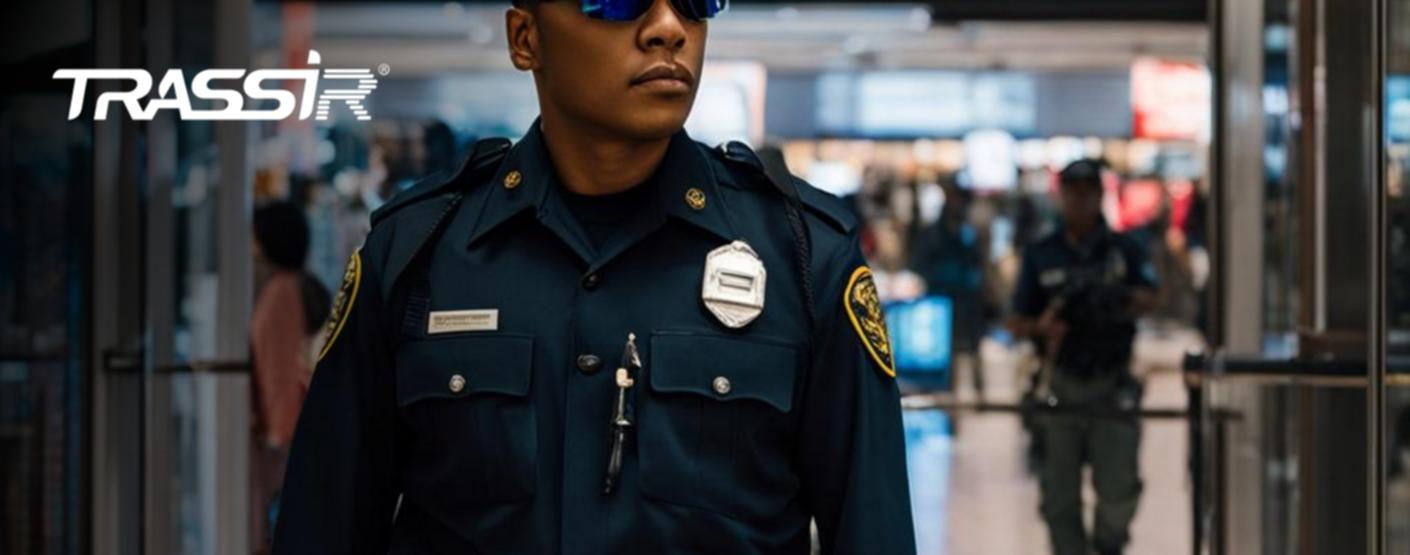
Modern Shopping Center Security Systems: The Complete Guide
The Complex Security Landscape of Retail Hubs
Managing security in a sprawling retail complex involves balancing accessibility with stringent protection. Shopping centers are designed to be welcoming and open, which inherently makes them vulnerable to a variety of risks. Common threats range from opportunistic shoplifting and coordinated retail crime to property damage, vehicle break-ins, and disruptive loitering. Furthermore, extended operating hours and nighttime events introduce additional vulnerabilities, particularly in expansive parking areas and dimly lit perimeters.
Beyond property crimes, retail environments must also prepare for severe scenarios such as active shooter incidents, medical emergencies, and extreme weather events. In chaotic, crowded spaces, panic and misinformation can escalate danger rapidly. Traditional security measures—like passive recording systems that are only reviewed after an incident occurs—are no longer sufficient. Facility managers are shifting toward unified security ecosystems that actively detect, verify, and respond to threats the moment they arise.
Core Components of a Comprehensive Security Infrastructure
A robust security posture relies on a network of interconnected systems working in harmony. Each component serves a distinct purpose, creating a layered defense across the entire property.
Advanced Surveillance and Mobile Units
High-definition IP cameras are the foundational eyes of any security operation. Strategically placed across food courts, corridors, and loading zones, these cameras capture crisp footage in various lighting conditions. For difficult-to-monitor outdoor areas like massive parking lots, Mobile Surveillance Units (MSUs) provide an effective solution. These self-contained, highly visible systems can be repositioned based on current threat levels, deterring vehicle theft and late-night trespassing while offering real-time video feeds to remote operators.
Intelligent Access Control
Regulating who enters restricted zones is just as critical as monitoring public spaces. Access control systems utilize electronic authentication—such as key cards, mobile credentials, or biometric scanners—to secure management offices, stockrooms, and service corridors. These systems prevent unauthorized entry and maintain a digital log of personnel movements, seamlessly tying into video networks to record exactly who accessed a specific area and when.
Alarm Systems and Environmental Sensors
Modern alarm systems do more than detect unauthorized entry. They monitor the facility for critical environmental conditions, including sudden temperature drops, flooding, and fire. When integrated with a centralized dashboard, an triggered alarm instantly pulls up the corresponding camera feed, allowing security personnel to visually verify the threat before dispatching emergency services.
How Artificial Intelligence is Transforming Retail Safety
The integration of Artificial Intelligence (AI) and edge computing has revolutionized video surveillance, turning passive recording devices into active, predictive tools. Instead of relying entirely on human operators to spot anomalies across dozens of screens, AI analytics process video in real time to flag suspicious behavior.
Proactive Threat Detection
AI models are trained to recognize specific security events, such as unauthorized loitering, crowd formation, trespassing in restricted boundaries, or even the presence of firearms. By analyzing behavioral patterns, the system alerts monitoring teams to potential issues before they escalate into actual crimes.
Smart Search and Tracking capabilities
When an incident does occur, security teams no longer need to scrub through hours of footage manually. Advanced search tools allow operators to locate individuals or vehicles across multiple cameras instantly using natural language queries, such as searching for a specific clothing color or vehicle type. Coupled with License Plate Recognition (LPR), these systems can identify and track vehicles associated with organized crime rings the moment they enter the parking lot.
Enhancing Emergency Response and Communication
During critical incidents, the speed and clarity of communication dictate the success of the response. Integrating surveillance with Mass Notification Systems (MNS) ensures that accurate information reaches the right people immediately.
In the event of an active threat or sudden severe weather, administrators can use an MNS to broadcast life-saving instructions across mobile apps, SMS, and digital signage. This capability dispels rumors and prevents panic by providing visitors and staff with clear directives on whether to evacuate or shelter in place. Some advanced notification platforms even integrate directly with national weather services to automatically issue location-based warnings for tornadoes or flash floods, buying crucial time for shoppers to seek safety. Additionally, mobile panic buttons empower employees to trigger silent alarms from anywhere on the property, instantly alerting security teams to their exact location.
The Financial and Operational Benefits of Upgrading
While deploying a unified, AI-driven security system requires an initial investment, the long-term financial and operational advantages are substantial.
Real-time remote video monitoring offers a highly cost-effective alternative to maintaining massive teams of on-site security guards. A centralized team of trained operators can oversee multiple retail properties simultaneously, verifying threats instantly and using two-way audio systems to verbally deter intruders before they break in. This drastically reduces staffing overhead while maintaining comprehensive, 24/7 coverage.
Furthermore, high-quality, verifiable video evidence acts as a powerful shield against liability. Shopping centers frequently face fraudulent slip-and-fall claims or disputes over property damage. Having indisputable footage of an incident saves businesses significant money in legal fees and unnecessary insurance payouts. Insurers also widely recognize the risk-mitigation value of monitored, smart security systems, frequently rewarding property owners with reduced premium costs.
Beyond security, these systems deliver valuable operational intelligence. Retail managers can leverage video analytics to study foot traffic patterns, optimize facility layouts, and improve staffing efficiency during peak shopping hours.
Best Practices for Implementation and Maintenance
Technology alone cannot secure a shopping center; it must be paired with rigorous protocols and human oversight.
Continuous Training and Auditing
Security infrastructure is only as effective as the personnel managing it. Routine training programs ensure that all staff—from security guards to retail employees—know how to recognize suspicious behavior, handle conflicts, and utilize the available communication tools. Regular security audits are equally important. Conducting independent assessments of camera angles, lighting conditions, and access control points helps identify vulnerabilities before they are exploited.
Community and Law Enforcement Collaboration
Building strong relationships with local law enforcement enhances a facility's overall situational awareness. Police departments can provide guidance on emerging regional crime trends, while coordination during emergency drills ensures a seamless, unified response when an actual crisis occurs.
Navigating Legal, Ethical, and Digital Considerations
Operating extensive surveillance networks in public spaces requires a delicate balance between security and privacy. Property managers must ensure that camera placements respect reasonable expectations of privacy and comply with local and national surveillance regulations.
As physical security systems become increasingly cloud-connected, cybersecurity emerges as a critical priority. Protecting the network with robust firewalls, end-to-end encryption, and routine vulnerability testing prevents malicious actors from intercepting sensitive data, disabling alarms, or accessing live video feeds.
The safety of a modern shopping center hinges on the ability to anticipate, detect, and respond to threats in real time. By moving away from reactive, fragmented tools and embracing unified systems powered by AI analytics, cloud management, and real-time remote monitoring, property managers can drastically reduce vulnerabilities. Investing in a comprehensive, intelligent security infrastructure protects valuable assets, mitigates legal liabilities, and ultimately preserves the welcoming, secure environment that shoppers and tenants expect.
Key Takeaways:
Modern shopping center security requires a shift from passive observation to active, real-time threat prevention using interconnected systems.
AI-powered analytics enable proactive detection of suspicious behaviors, weapons, and unauthorized vehicles before crimes occur.
Live remote video monitoring provides a cost-effective, highly efficient alternative to relying solely on large teams of traditional security guards.
Mass notification systems are essential for managing emergencies, allowing for instant, clear communication during active threats or severe weather.
Strong physical security must be supported by regular staff training, routine system audits, and strict cybersecurity measures.
FAQ:
Q: How does live video monitoring differ from traditional surveillance?
A: Traditional surveillance passively records footage for later review, while live monitoring connects camera feeds to remote operators or AI systems that instantly detect, verify, and respond to unfolding incidents.
Q: What are Mobile Surveillance Units and where are they used?
A: Mobile Surveillance Units are portable, self-contained security cameras equipped with lights and sensors, ideal for deterring crime in expansive outdoor areas like shopping center parking lots.
Q: How does AI improve security camera efficiency?
A: AI algorithms process video at the edge to automatically flag unusual activities, recognize license plates, and allow operators to instantly search footage for specific clothing or vehicle descriptions.
Q: Can new security technology integrate with existing cameras?
A: Yes, most modern cloud-based security platforms and analytics software are designed to be compatible with existing IP cameras, allowing facilities to upgrade their capabilities without fully replacing their hardware.
Articles
All articles
The Complete Guide to Retail Crowd Density Monitoring Using Video Analytics
The Complete Guide to Retail Crowd Density Monitoring Using Video Analytics

The Ultimate Guide to Occupancy Tracking Technology: Systems, Sensors, and Strategy
The Ultimate Guide to Occupancy Tracking Technology: Systems, Sensors, and Strategy
Maximizing Retail Performance: The Ultimate Guide to Heat Mapping Technology
Maximizing Retail Performance: The Ultimate Guide to Heat Mapping Technology
The Complete Guide to Deploying AI Video Analytics in Retail and Enterprise
The Complete Guide to Deploying AI Video Analytics in Retail and Enterprise
How to Design a Scalable Video Surveillance System for Multi-Site Retail
How to Design a Scalable Video Surveillance System for Multi-Site Retail

Upgrading Legacy CCTV: How to Integrate AI Without a Rip-and-Replace
Upgrading Legacy CCTV: How to Integrate AI Without a Rip-and-Replace

Upgrading Legacy CCTV: The Complete Guide to AI Security Camera Integration
Upgrading Legacy CCTV: The Complete Guide to AI Security Camera Integration
The Evolution of Video Analytics: How AI Transforms Security and Operations
The Evolution of Video Analytics: How AI Transforms Security and Operations

How AI Video Surveillance Solves Security Staffing Shortages and Reduces Costs
How AI Video Surveillance Solves Security Staffing Shortages and Reduces Costs

Maximizing Security System ROI: The Financial Case for Smart Surveillance
Maximizing Security System ROI: The Financial Case for Smart Surveillance

How to Calculate the ROI of a Business Security System
How to Calculate the ROI of a Business Security System
Master Multi-Brand CCTV Management: The Ultimate Guide to Brand-Agnostic Surveillance
Master Multi-Brand CCTV Management: The Ultimate Guide to Brand-Agnostic Surveillance

Strategic Guide to Retail Video Surveillance Migration: Upgrading Legacy Systems
Strategic Guide to Retail Video Surveillance Migration: Upgrading Legacy Systems

How to Reduce Commercial Security Costs Without Compromising Protection
How to Reduce Commercial Security Costs Without Compromising Protection

How to Reduce Retail Operational Costs With Video Analytics
How to Reduce Retail Operational Costs With Video Analytics
Security Staffing Optimization: The Complete 2026 Guide
Security Staffing Optimization: The Complete 2026 Guide

AI Retail Theft Prevention: How Smart Cameras Stop Shrinkage
AI Retail Theft Prevention: How Smart Cameras Stop Shrinkage

Modern Shopping Center Security Systems: The Complete Guide
Modern Shopping Center Security Systems: The Complete Guide
Video Management Systems Explained: Features, Benefits, and How to Choose the Right VMS
Video Management Systems Explained: Features, Benefits, and How to Choose the Right VMS

The Reality of the Single Pane of Glass: Achieving Unified IT Visibility
The Reality of the Single Pane of Glass: Achieving Unified IT Visibility
Try TRASSIR For Your Business
Learn more about how TRASSIR analytic modules work! Demo mode is an opportunity to see for yourself how the system works, and also check the interface and test all the functions.Success!
We will contact you as soon as possible