




Maximizing Retail Performance: The Ultimate Guide to Heat Mapping Technology
What is Retail Heat Mapping?
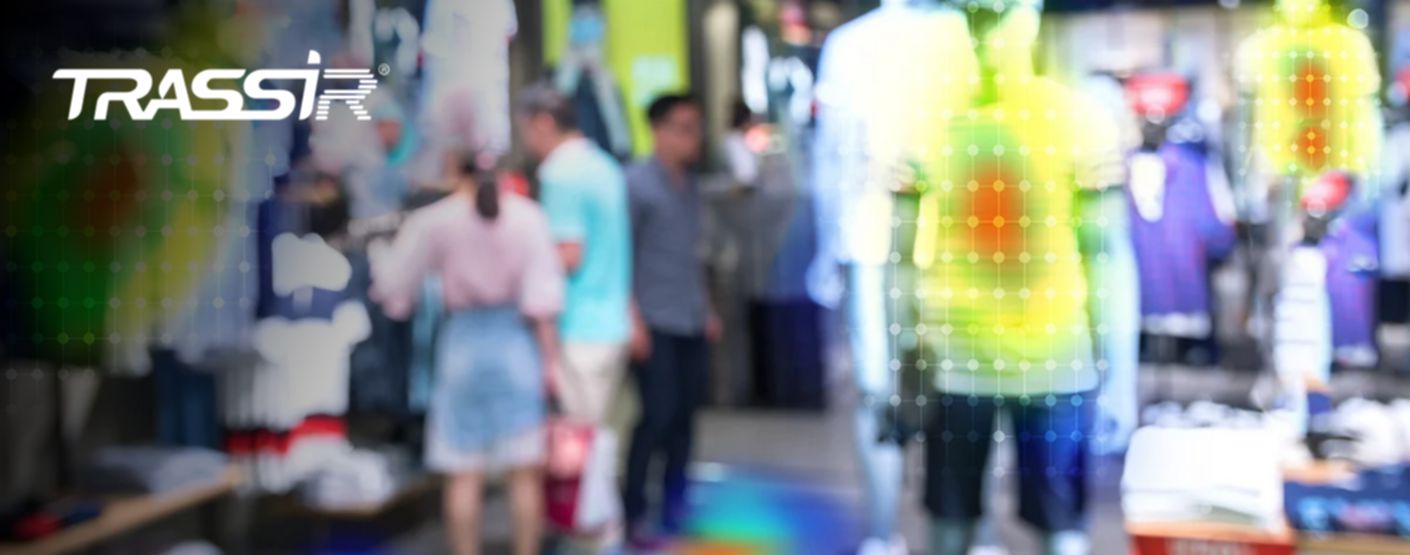
Heat mapping is a sophisticated visual analytics tool that translates human movement and spatial engagement into color-coded graphics. By overlaying this data onto a floor plan or camera view, the software identifies "hot spots" (areas of high traffic or engagement, typically represented in reds, oranges, and yellows) and "cold zones" (underutilized areas, represented in blues and greens).
In commercial environments, these spatial visualizations generally fall into two distinct categories:
Traffic Maps: These track the physical pathways individuals take as they navigate a space. They highlight the busiest corridors, identify common entry and exit routes, and reveal structural bottlenecks that impede smooth movement.
Activity Maps: Also known as dwell maps, these measure where individuals stop and how long they remain stationary. This is crucial for evaluating whether a specific product display, digital sign, or endcap is successfully capturing consumer attention.
The Technology Powering Spatial Analytics
Modern heat mapping relies on network-connected IP cameras equipped with edge computing capabilities and deep learning algorithms. Instead of merely recording video, these cameras use intelligent object detection to identify and track human movement in real time.
Privacy is a central consideration in modern system architecture. Advanced edge AI processes the visual data directly on the device, converting human movement into anonymous data points rather than sending identifiable visual footage to the cloud. Additionally, these systems can pull historical data—often up to a week's worth of recording—allowing management teams to compare behavioral trends across different days, weather conditions, or seasons.
Optimizing Store Layouts and Visual Merchandising
One of the most immediate benefits of spatial analytics is the ability to conduct real-world A/B testing on store layouts. By analyzing heat maps, managers can identify precisely which aisles attract the most foot traffic and which retail displays go unnoticed.
This data drives highly targeted merchandising strategies. For instance, if a high-margin product is languishing in a blue "cold zone," it can be relocated to a high-traffic red zone to increase visibility. Furthermore, activity maps can uncover critical pricing or product issues. If a display shows high engagement (a hot spot on an activity map) but generates minimal sales, it signals a disconnect: the product is attractive, but the pricing, packaging, or messaging may be deterring the final purchase. Strategic layout adjustments informed by these insights can yield significant improvements, with some organizations reporting up to a 20% increase in sales per square foot.
Strategic Workforce Management and Customer Experience
Labor is consistently one of the largest operational expenses for any physical business. Heat mapping provides the objective data required to align staffing levels with actual spatial demand, reducing overhead while maintaining high service standards.
By analyzing traffic trends, managers can identify the exact times and locations of daily peaks and lulls. This enables precise scheduling, ensuring that the sales floor is heavily staffed during rush hours and scaled back during quiet periods. Beyond scheduling, real-time heat mapping allows managers to dynamically reposition staff to developing bottlenecks, such as a lengthening checkout queue or a crowded customer service desk. This proactive approach to crowd management directly reduces wait times and improves overall customer satisfaction. Data-driven workforce management can result in labor efficiency gains of up to 30%.
Measuring Marketing ROI and Promotional Effectiveness
Marketing investments require clear, measurable validation. Historically, it has been difficult to measure the physical impact of in-store promotions, but heat mapping provides a quantifiable metric for engagement.
When a new promotional display is launched, managers can use activity maps to track the exact dwell time around the fixture. By comparing the spatial engagement before and after the promotion, organizations can calculate the precise lift in foot traffic. This data allows marketing teams to determine which types of signage, lighting, or product arrangements yield the highest customer interaction, enabling them to allocate future budgets to the highest-performing initiatives.
Best Practices for Implementation
Transitioning to a data-driven operational model requires a structured implementation strategy. Organizations that successfully deploy heat mapping typically follow a phased approach:
First, teams must define clear objectives and establish baseline metrics for success, such as targeting a specific reduction in queue times or an increase in display engagement. During the deployment phase, cameras should be strategically positioned to capture primary pathways and high-value merchandise zones. Finally, continuous optimization is required. The technology provides the insights, but the true return on investment—often realized within 12 to 18 months—comes from management teams actively interpreting the data, testing new layouts, and refining their strategies based on objective results.
Heat mapping technology fundamentally changes how physical spaces are managed. By converting standard video surveillance into rich, actionable analytics, organizations can move away from intuition-based decisions. Whether the goal is to eliminate dead zones, optimize labor costs, or validate marketing investments, spatial analytics provides the objective clarity needed to build highly efficient, customer-centric environments that drive sustainable growth.
Key Takeaways:
Heat mapping translates physical movement into intuitive, color-coded visual data to identify high-traffic and low-engagement zones.
The technology differentiates between movement pathways (traffic maps) and stationary engagement (activity maps).
Advanced analytics allow organizations to conduct A/B testing on physical layouts and visual merchandising strategies.
Labor efficiency can be drastically improved by aligning staff schedules and physical positioning with objective foot traffic data.
Successful implementation requires clear business objectives, ongoing staff training, and a commitment to continuous optimization.
FAQ:
Q: What is the difference between a traffic map and an activity map?
A: A traffic map visualizes the paths people take as they move through a space, highlighting busy corridors. An activity map measures dwell time, showing where people stand still to look at displays or interact with products.
Q: Does heat mapping compromise personal privacy?
A: No. Modern systems utilize edge computing and AI to process video data on the device itself. They track movement patterns and shapes rather than capturing and storing personally identifiable facial data.
Q: How can heat mapping improve customer service?
A: By identifying where customers naturally gather and tracking queue lengths in real time, managers can proactively deploy staff to busy areas, reducing wait times and ensuring assistance is readily available.
Q: How long does it take to see a return on investment (ROI) from heat mapping?
A: When implemented strategically alongside data-driven operational changes, organizations typically see a positive ROI within 12 to 18 months through combined savings in labor and increases in sales conversions.
Articles
All articles
The Complete Guide to Retail Crowd Density Monitoring Using Video Analytics
The Complete Guide to Retail Crowd Density Monitoring Using Video Analytics

The Ultimate Guide to Occupancy Tracking Technology: Systems, Sensors, and Strategy
The Ultimate Guide to Occupancy Tracking Technology: Systems, Sensors, and Strategy
Maximizing Retail Performance: The Ultimate Guide to Heat Mapping Technology
Maximizing Retail Performance: The Ultimate Guide to Heat Mapping Technology
The Complete Guide to Deploying AI Video Analytics in Retail and Enterprise
The Complete Guide to Deploying AI Video Analytics in Retail and Enterprise

How to Design a Scalable Video Surveillance System for Multi-Site Retail
How to Design a Scalable Video Surveillance System for Multi-Site Retail

Upgrading Legacy CCTV: How to Integrate AI Without a Rip-and-Replace
Upgrading Legacy CCTV: How to Integrate AI Without a Rip-and-Replace

Upgrading Legacy CCTV: The Complete Guide to AI Security Camera Integration
Upgrading Legacy CCTV: The Complete Guide to AI Security Camera Integration
The Evolution of Video Analytics: How AI Transforms Security and Operations
The Evolution of Video Analytics: How AI Transforms Security and Operations

How AI Video Surveillance Solves Security Staffing Shortages and Reduces Costs
How AI Video Surveillance Solves Security Staffing Shortages and Reduces Costs

Maximizing Security System ROI: The Financial Case for Smart Surveillance
Maximizing Security System ROI: The Financial Case for Smart Surveillance

How to Calculate the ROI of a Business Security System
How to Calculate the ROI of a Business Security System

Master Multi-Brand CCTV Management: The Ultimate Guide to Brand-Agnostic Surveillance
Master Multi-Brand CCTV Management: The Ultimate Guide to Brand-Agnostic Surveillance

Strategic Guide to Retail Video Surveillance Migration: Upgrading Legacy Systems
Strategic Guide to Retail Video Surveillance Migration: Upgrading Legacy Systems

How to Reduce Commercial Security Costs Without Compromising Protection
How to Reduce Commercial Security Costs Without Compromising Protection

How to Reduce Retail Operational Costs With Video Analytics
How to Reduce Retail Operational Costs With Video Analytics
Security Staffing Optimization: The Complete 2026 Guide
Security Staffing Optimization: The Complete 2026 Guide

AI Retail Theft Prevention: How Smart Cameras Stop Shrinkage
AI Retail Theft Prevention: How Smart Cameras Stop Shrinkage

Modern Shopping Center Security Systems: The Complete Guide
Modern Shopping Center Security Systems: The Complete Guide
Video Management Systems Explained: Features, Benefits, and How to Choose the Right VMS
Video Management Systems Explained: Features, Benefits, and How to Choose the Right VMS

The Reality of the Single Pane of Glass: Achieving Unified IT Visibility
The Reality of the Single Pane of Glass: Achieving Unified IT Visibility
Try TRASSIR For Your Business
Learn more about how TRASSIR analytic modules work! Demo mode is an opportunity to see for yourself how the system works, and also check the interface and test all the functions.Success!
We will contact you as soon as possible