





Leveraging AI and Machine Learning for Enhanced Security Solutions
Artificial intelligence (AI) and machine learning (ML) are transforming security practices at an unprecedented rate. In 2024, AI-driven surveillance systems are capable of processing extensive datasets in real time, enabling early detection of threats and facilitating predictive analysis. By utilizing machine learning algorithms, these systems can pinpoint patterns and anomalies, empowering security teams to react promptly to potential breaches.
Additionally, AI-enhanced video analytics are revolutionizing closed-circuit television (CCTV) into sophisticated monitoring tools. These advanced systems can autonomously identify and track objects, recognize faces, and even forecast suspicious behaviors. By integrating AI and machine learning technologies, organizations can significantly boost their surveillance efficacy while minimizing dependence on human oversight.
The introduction of 5G networks is poised to redefine surveillance capabilities in 2024 and beyond. With its exceptional speed and low latency, 5G offers seamless connectivity and high-definition video streaming, which are critical for real-time monitoring applications. This lightning-fast network ensures that surveillance systems can transmit and receive data almost instantaneously, enabling rapid responses to security events.
Moreover, 5G-enabled edge computing enhances the processing power of surveillance devices. By conducting data processing closer to its source, latency is drastically reduced, allowing for quicker decision-making and less reliance on centralized servers. This decentralized architecture not only boosts the scalability of surveillance systems but also fortifies them against cyber threats and network overload.
The integration of Internet of Things (IoT) devices is reshaping surveillance, fostering a comprehensive monitoring environment. Security cameras, sensors, and actuators collect real-time data from diverse sources, creating a complete picture of security dynamics. This network of interconnected devices promotes proactive threat detection, environmental monitoring, and situational awareness, enabling security personnel to respond effectively to new risks.
Furthermore, IoT integration enhances interoperability among various surveillance systems, facilitating seamless data exchange and collaboration. By leveraging the interconnected nature of these devices, organizations can establish a cohesive surveillance framework that strengthens their overall security posture and operational effectiveness.
The future of surveillance is expected to witness further innovations fueled by advancing technologies. One notable trend is the incorporation of blockchain technology for secure data storage and transmission within surveillance systems. Blockchain guarantees data integrity and confidentiality, significantly reducing the risk of tampering and unauthorized access. Additionally, developments in quantum computing are set to revolutionize encryption methods, further safeguarding surveillance operations against cyber threats.
The convergence of surveillance technology with augmented reality (AR) and virtual reality (VR) is also creating immersive monitoring experiences. AR enhances live video feeds by overlaying contextual information, improving situational awareness and decision-making for security personnel. Meanwhile, VR provides realistic training environments for security staff, honing their response times and decision-making skills under pressure.
In an ever-evolving environment, keeping pace with technological advancements is vital for organizations striving to maintain a competitive edge in surveillance technology. This necessitates a dedication to continuous learning and professional growth, along with collaboration with industry peers and active participation in conferences and workshops.
Moreover, organizations must prioritize robust cybersecurity strategies to defend against emerging digital threats. This includes implementing encryption protocols, access controls, and intrusion detection systems to safeguard sensitive surveillance data from unauthorized access and cyberattacks.
Articles
All articles
The Complete Guide to Retail Crowd Density Monitoring Using Video Analytics
The Complete Guide to Retail Crowd Density Monitoring Using Video Analytics

The Ultimate Guide to Occupancy Tracking Technology: Systems, Sensors, and Strategy
The Ultimate Guide to Occupancy Tracking Technology: Systems, Sensors, and Strategy
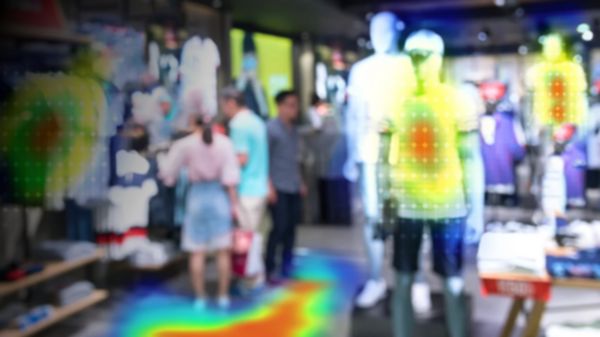
Maximizing Retail Performance: The Ultimate Guide to Heat Mapping Technology
Maximizing Retail Performance: The Ultimate Guide to Heat Mapping Technology

The Complete Guide to Deploying AI Video Analytics in Retail and Enterprise
The Complete Guide to Deploying AI Video Analytics in Retail and Enterprise

How to Design a Scalable Video Surveillance System for Multi-Site Retail
How to Design a Scalable Video Surveillance System for Multi-Site Retail

Upgrading Legacy CCTV: How to Integrate AI Without a Rip-and-Replace
Upgrading Legacy CCTV: How to Integrate AI Without a Rip-and-Replace

Upgrading Legacy CCTV: The Complete Guide to AI Security Camera Integration
Upgrading Legacy CCTV: The Complete Guide to AI Security Camera Integration
The Evolution of Video Analytics: How AI Transforms Security and Operations
The Evolution of Video Analytics: How AI Transforms Security and Operations

How AI Video Surveillance Solves Security Staffing Shortages and Reduces Costs
How AI Video Surveillance Solves Security Staffing Shortages and Reduces Costs

Maximizing Security System ROI: The Financial Case for Smart Surveillance
Maximizing Security System ROI: The Financial Case for Smart Surveillance

How to Calculate the ROI of a Business Security System
How to Calculate the ROI of a Business Security System

Master Multi-Brand CCTV Management: The Ultimate Guide to Brand-Agnostic Surveillance
Master Multi-Brand CCTV Management: The Ultimate Guide to Brand-Agnostic Surveillance

Strategic Guide to Retail Video Surveillance Migration: Upgrading Legacy Systems
Strategic Guide to Retail Video Surveillance Migration: Upgrading Legacy Systems

How to Reduce Commercial Security Costs Without Compromising Protection
How to Reduce Commercial Security Costs Without Compromising Protection

How to Reduce Retail Operational Costs With Video Analytics
How to Reduce Retail Operational Costs With Video Analytics

Security Staffing Optimization: The Complete 2026 Guide
Security Staffing Optimization: The Complete 2026 Guide

AI Retail Theft Prevention: How Smart Cameras Stop Shrinkage
AI Retail Theft Prevention: How Smart Cameras Stop Shrinkage

Modern Shopping Center Security Systems: The Complete Guide
Modern Shopping Center Security Systems: The Complete Guide

Video Management Systems Explained: Features, Benefits, and How to Choose the Right VMS
Video Management Systems Explained: Features, Benefits, and How to Choose the Right VMS

The Reality of the Single Pane of Glass: Achieving Unified IT Visibility
The Reality of the Single Pane of Glass: Achieving Unified IT Visibility
Try TRASSIR For Your Business
Learn more about how TRASSIR analytic modules work! Demo mode is an opportunity to see for yourself how the system works, and also check the interface and test all the functions.Success!
We will contact you as soon as possible