




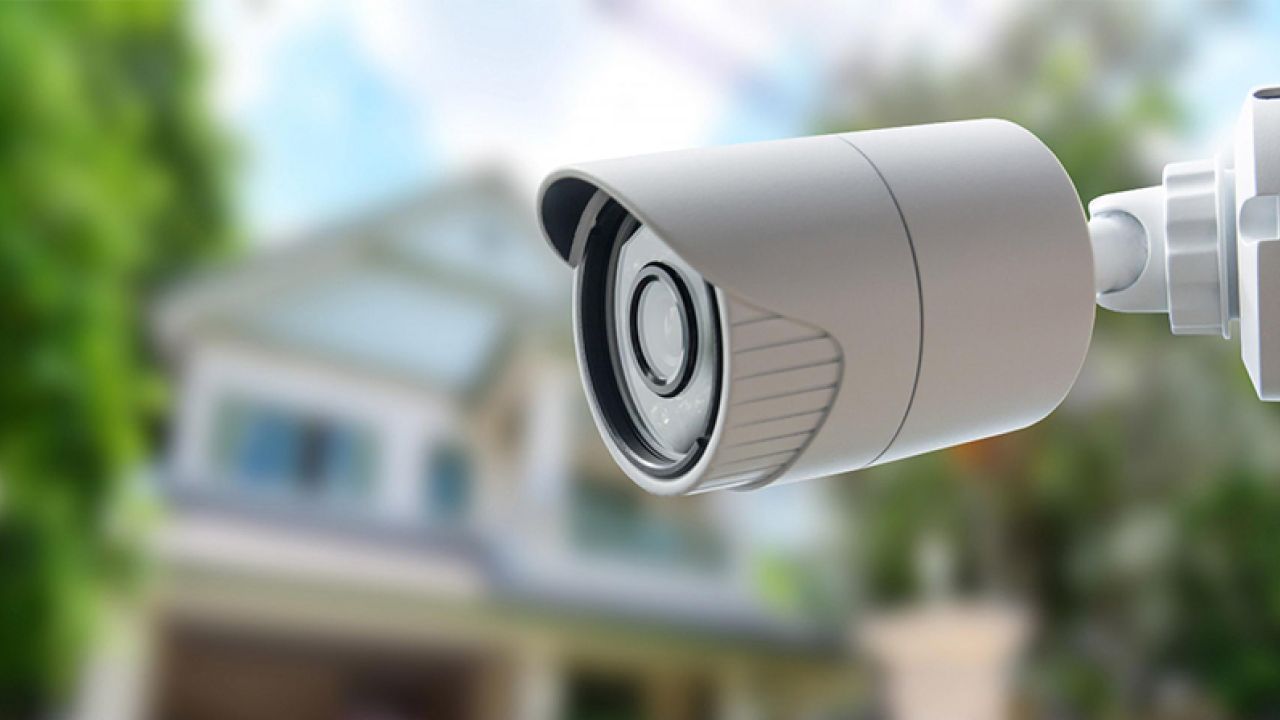
The Advantages of a Comprehensive Home Surveillance System
In recent years, home security cameras have surged in popularity, and it’s not difficult to see why. Once a luxury reserved for high-end properties, advancements in technology have made high-quality, affordable cameras accessible to the average homeowner. The market is now saturated with “standalone” or “do-it-yourself (DIY)” options aimed at those looking to safeguard their homes on a budget.
However, while these inexpensive cameras might seem appealing, they often offer minimal protection. A camera that allows you to check on your home through a smartphone app can be useful, but there are several limitations to this approach:
Limited functionality: Many DIY cameras lack advanced features, which can prevent them from capturing crucial footage.
Restricted coverage: These cameras often have narrow fields of view, leaving blind spots in areas that should be under surveillance.
Dependence on Wi-Fi: Most require a stable Wi-Fi connection to function, limiting where they can be installed and placing extra strain on your network.
Inadequate storage options: These cameras often have limited video storage capacity, making it difficult to access past footage when needed.
For homeowners with valuable assets like workshops, storage units, or home offices, a basic approach to security could end up being costly in the event of theft or damage. Fortunately, commercial-grade, fully integrated surveillance systems are now within reach for residential use, offering superior protection for what matters most.
DIY home cameras have become popular because they can easily integrate into smart home systems, offering convenient ways to check in on pets or monitor your home while on vacation. However, they pale in comparison to a professionally designed surveillance system in terms of quality and versatility.
A homeowner using DIY cameras will quickly notice their shortcomings. For example, someone with an expansive property may find themselves frustrated by the limited range and resolution of these cameras. Most affordable DIY cameras lack essential features that come standard with a full surveillance system, such as:
Remote zoom and focus: Ensures you can capture fine details from a distance.
Infrared (IR) capabilities: Enhances night vision to monitor your property even in complete darkness.
Wide dynamic range: Improves image clarity in extreme lighting conditions, whether bright sunlight or deep shadow.
For those needing to monitor valuable items in sheds, barns, or workshops, a basic DIY setup will likely fall short, particularly when it comes to night surveillance. High-end surveillance cameras, on the other hand, offer crystal-clear image quality, far exceeding the 1080p HD standard.
DIY home camera options are often limited to basic wall-mounted or tabletop designs, which are suitable for general monitoring but fall short in providing complete coverage. Homeowners seeking more robust protection will benefit from a wider range of camera types, including dome, cube, or fisheye cameras. These offer greater flexibility in both indoor and outdoor surveillance, allowing for tailored security solutions.
While DIY cameras can cover small, simple areas, they often miss key vulnerabilities in more complex spaces like garages, studios, or larger properties. A professionally designed system offers customizable solutions, ensuring no corner is left unmonitored. Furthermore, professional installation ensures optimal camera placement and functionality, maximizing your investment in home security.
For many homeowners, security needs extend beyond the primary residence to include outbuildings like storage sheds, detached garages, or workshops. In the past, protecting these remote structures required running extensive cabling, which was both cumbersome and expensive. Today, wireless IP cameras make it easier to monitor separate buildings, communicating directly with your home’s network video recorder (NVR) without the need for extensive wiring.
Even if Wi-Fi signals are weak or nonexistent in these remote locations, professional security companies can set up point-to-point wireless bridges to ensure seamless communication between cameras and your central system. This is something a basic DIY camera simply can’t achieve, underscoring the benefits of a professionally installed system for comprehensive property coverage.
Although cameras are the most visible component of any security system, the true backbone of the setup is the video recorder. Whether you have two cameras or twenty, a recorder stores all footage and allows you to review it as needed. The storage capacity of these systems can vary greatly, depending on factors like:
Number of cameras: More cameras require more storage space.
Desired retention period: Systems can be designed to store footage for days, weeks, or even months.
Video resolution and frame rate: Higher quality footage takes up more storage space but offers clearer details.
A DIY camera system typically offers minimal local storage or relies on cloud-based options, which often require monthly subscriptions. In contrast, professional systems can be tailored to your exact storage needs, offering the flexibility to archive footage for longer periods and at higher resolutions. This level of customization is invaluable for homeowners with significant assets, like collectors or business owners, who require extensive coverage and retention of video footage.
Articles
All articles
The Complete Guide to Retail Crowd Density Monitoring Using Video Analytics
The Complete Guide to Retail Crowd Density Monitoring Using Video Analytics

The Ultimate Guide to Occupancy Tracking Technology: Systems, Sensors, and Strategy
The Ultimate Guide to Occupancy Tracking Technology: Systems, Sensors, and Strategy

Maximizing Retail Performance: The Ultimate Guide to Heat Mapping Technology
Maximizing Retail Performance: The Ultimate Guide to Heat Mapping Technology

The Complete Guide to Deploying AI Video Analytics in Retail and Enterprise
The Complete Guide to Deploying AI Video Analytics in Retail and Enterprise

How to Design a Scalable Video Surveillance System for Multi-Site Retail
How to Design a Scalable Video Surveillance System for Multi-Site Retail

Upgrading Legacy CCTV: How to Integrate AI Without a Rip-and-Replace
Upgrading Legacy CCTV: How to Integrate AI Without a Rip-and-Replace

Upgrading Legacy CCTV: The Complete Guide to AI Security Camera Integration
Upgrading Legacy CCTV: The Complete Guide to AI Security Camera Integration
The Evolution of Video Analytics: How AI Transforms Security and Operations
The Evolution of Video Analytics: How AI Transforms Security and Operations

How AI Video Surveillance Solves Security Staffing Shortages and Reduces Costs
How AI Video Surveillance Solves Security Staffing Shortages and Reduces Costs

Maximizing Security System ROI: The Financial Case for Smart Surveillance
Maximizing Security System ROI: The Financial Case for Smart Surveillance

How to Calculate the ROI of a Business Security System
How to Calculate the ROI of a Business Security System
Master Multi-Brand CCTV Management: The Ultimate Guide to Brand-Agnostic Surveillance
Master Multi-Brand CCTV Management: The Ultimate Guide to Brand-Agnostic Surveillance

Strategic Guide to Retail Video Surveillance Migration: Upgrading Legacy Systems
Strategic Guide to Retail Video Surveillance Migration: Upgrading Legacy Systems

How to Reduce Commercial Security Costs Without Compromising Protection
How to Reduce Commercial Security Costs Without Compromising Protection

How to Reduce Retail Operational Costs With Video Analytics
How to Reduce Retail Operational Costs With Video Analytics

Security Staffing Optimization: The Complete 2026 Guide
Security Staffing Optimization: The Complete 2026 Guide

AI Retail Theft Prevention: How Smart Cameras Stop Shrinkage
AI Retail Theft Prevention: How Smart Cameras Stop Shrinkage

Modern Shopping Center Security Systems: The Complete Guide
Modern Shopping Center Security Systems: The Complete Guide

Video Management Systems Explained: Features, Benefits, and How to Choose the Right VMS
Video Management Systems Explained: Features, Benefits, and How to Choose the Right VMS

The Reality of the Single Pane of Glass: Achieving Unified IT Visibility
The Reality of the Single Pane of Glass: Achieving Unified IT Visibility
Try TRASSIR For Your Business
Learn more about how TRASSIR analytic modules work! Demo mode is an opportunity to see for yourself how the system works, and also check the interface and test all the functions.Success!
We will contact you as soon as possible