





Maximizing Safety and Efficiency: The Impact of IP Camera Systems Across Industries
Why invest in a surveillance system? What are your specific objectives? This article delves into the various applications of surveillance systems within organizations and offers guidance on setting clear goals.
The mere presence of IP camera systems can act as a deterrent against criminal activities. However, when theft occurs, these systems serve a crucial role in capturing evidence of wrongdoing.
Incident Capture: Organizations often face concerns regarding theft and vandalism. Traditionally, strategically positioned IP cameras recorded footage that security personnel would review post-incident to identify perpetrators. While effective for investigations and legal purposes, such systems alone cannot prevent theft or property damage.
Incident Prevention: The advent of AI-enhanced cameras has transformed this landscape, enabling immediate alerts to security personnel upon detecting suspicious behavior. This proactive approach allows for intervention before a crime can occur.
Problem Detection: In hospitals and healthcare facilities, IP camera systems are essential for monitoring patients and safeguarding sensitive areas such as pharmacies and medical records.
Problem Prevention: Intelligent surveillance systems that alert staff to potential hazards can avert accidents before they happen. For instance, cameras in medical record areas can swiftly detect unauthorized access, prompting a security response.
Theft Deterrence: These systems also help reduce theft of medical supplies, equipment, and personal belongings of patients and staff.
Asset Tracking: Cameras assist in monitoring valuable equipment, ensuring proper usage and preventing unauthorized removal.
Compliance Assurance: Surveillance supports adherence to hygiene practices, safety protocols, and patient care standards within healthcare settings.
Incident Review: Video recordings provide valuable insights during investigations involving staff or patients, serving as evidence for internal assessments or legal matters.
Violence Prevention: Surveillance systems are pivotal in deterring and swiftly responding to incidents of violence or bullying in schools. AI-enhanced cameras can immediately alert administration when they detect a fight.
Disciplinary Monitoring: These systems facilitate oversight of student behavior in common areas, contributing to a safe and orderly environment.
Bullying Deterrence: Cameras can help dissuade bullying by providing evidence for addressing such incidents effectively.
Secure Access Points: Surveillance of entrances and exits ensures that only authorized individuals can access the premises, thereby enhancing overall security. Integration with access control systems further reinforces this security.
Perimeter Surveillance: Surveillance systems monitor school boundaries, preventing unauthorized access and ensuring the safety of students and staff.
Emergency Information: Cameras provide real-time data during emergencies, aiding in the coordination of evacuation or lockdown procedures.
Post-Incident Analysis: Reviewing footage after incidents can yield insights into the effectiveness of emergency responses, informing future crisis management strategies.
Activity Oversight: Surveillance facilitates monitoring school events and activities, ensuring they are conducted safely and efficiently. It also helps assess staff monitoring needs in various locations.
Resource Optimization: Video analytics can guide effective resource allocation, improving staffing decisions and facility usage.
Regulatory Adherence: Surveillance systems assist educational institutions in meeting safety regulations and standards.
Legal Evidence: Recorded footage can provide crucial evidence in legal disputes or incidents involving students, staff, or visitors.
Workflow Monitoring: Cameras track production lines, warehouses, and operational areas to ensure smooth and efficient processes.
Quality Assurance: Surveillance helps maintain product and service quality by identifying issues or inefficiencies in real-time.
Remote Oversight: Managers can remotely oversee multiple locations, ensuring consistency and operational efficiency across sites.
Protocol Monitoring: Cameras are instrumental in ensuring compliance with safety protocols, helping to prevent workplace accidents and fostering a safe environment.
Hazardous Area Surveillance: Surveillance of areas involving heavy machinery or hazardous materials ensures adherence to safety guidelines.
Regulatory Compliance: Surveillance supports compliance with industry safety standards, ensuring a safer workplace for all employees.
Articles
All articles
The Complete Guide to Retail Crowd Density Monitoring Using Video Analytics
The Complete Guide to Retail Crowd Density Monitoring Using Video Analytics

The Ultimate Guide to Occupancy Tracking Technology: Systems, Sensors, and Strategy
The Ultimate Guide to Occupancy Tracking Technology: Systems, Sensors, and Strategy
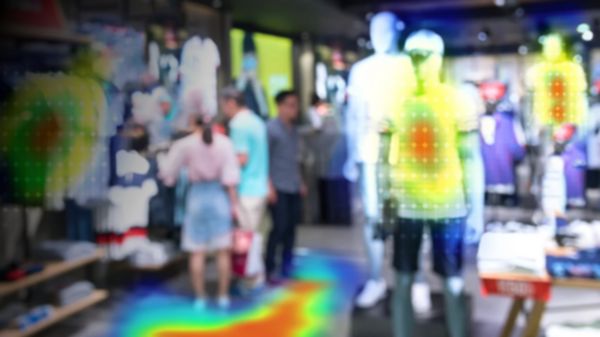
Maximizing Retail Performance: The Ultimate Guide to Heat Mapping Technology
Maximizing Retail Performance: The Ultimate Guide to Heat Mapping Technology
The Complete Guide to Deploying AI Video Analytics in Retail and Enterprise
The Complete Guide to Deploying AI Video Analytics in Retail and Enterprise

How to Design a Scalable Video Surveillance System for Multi-Site Retail
How to Design a Scalable Video Surveillance System for Multi-Site Retail

Upgrading Legacy CCTV: How to Integrate AI Without a Rip-and-Replace
Upgrading Legacy CCTV: How to Integrate AI Without a Rip-and-Replace
Upgrading Legacy CCTV: The Complete Guide to AI Security Camera Integration
Upgrading Legacy CCTV: The Complete Guide to AI Security Camera Integration
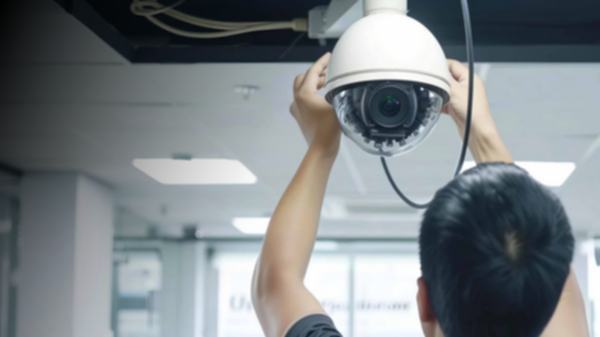
The Evolution of Video Analytics: How AI Transforms Security and Operations
The Evolution of Video Analytics: How AI Transforms Security and Operations

How AI Video Surveillance Solves Security Staffing Shortages and Reduces Costs
How AI Video Surveillance Solves Security Staffing Shortages and Reduces Costs

Maximizing Security System ROI: The Financial Case for Smart Surveillance
Maximizing Security System ROI: The Financial Case for Smart Surveillance

How to Calculate the ROI of a Business Security System
How to Calculate the ROI of a Business Security System
Master Multi-Brand CCTV Management: The Ultimate Guide to Brand-Agnostic Surveillance
Master Multi-Brand CCTV Management: The Ultimate Guide to Brand-Agnostic Surveillance

Strategic Guide to Retail Video Surveillance Migration: Upgrading Legacy Systems
Strategic Guide to Retail Video Surveillance Migration: Upgrading Legacy Systems

How to Reduce Commercial Security Costs Without Compromising Protection
How to Reduce Commercial Security Costs Without Compromising Protection
How to Reduce Retail Operational Costs With Video Analytics
How to Reduce Retail Operational Costs With Video Analytics
Security Staffing Optimization: The Complete 2026 Guide
Security Staffing Optimization: The Complete 2026 Guide

AI Retail Theft Prevention: How Smart Cameras Stop Shrinkage
AI Retail Theft Prevention: How Smart Cameras Stop Shrinkage

Modern Shopping Center Security Systems: The Complete Guide
Modern Shopping Center Security Systems: The Complete Guide
Video Management Systems Explained: Features, Benefits, and How to Choose the Right VMS
Video Management Systems Explained: Features, Benefits, and How to Choose the Right VMS

The Reality of the Single Pane of Glass: Achieving Unified IT Visibility
The Reality of the Single Pane of Glass: Achieving Unified IT Visibility
Try TRASSIR For Your Business
Learn more about how TRASSIR analytic modules work! Demo mode is an opportunity to see for yourself how the system works, and also check the interface and test all the functions.Success!
We will contact you as soon as possible