




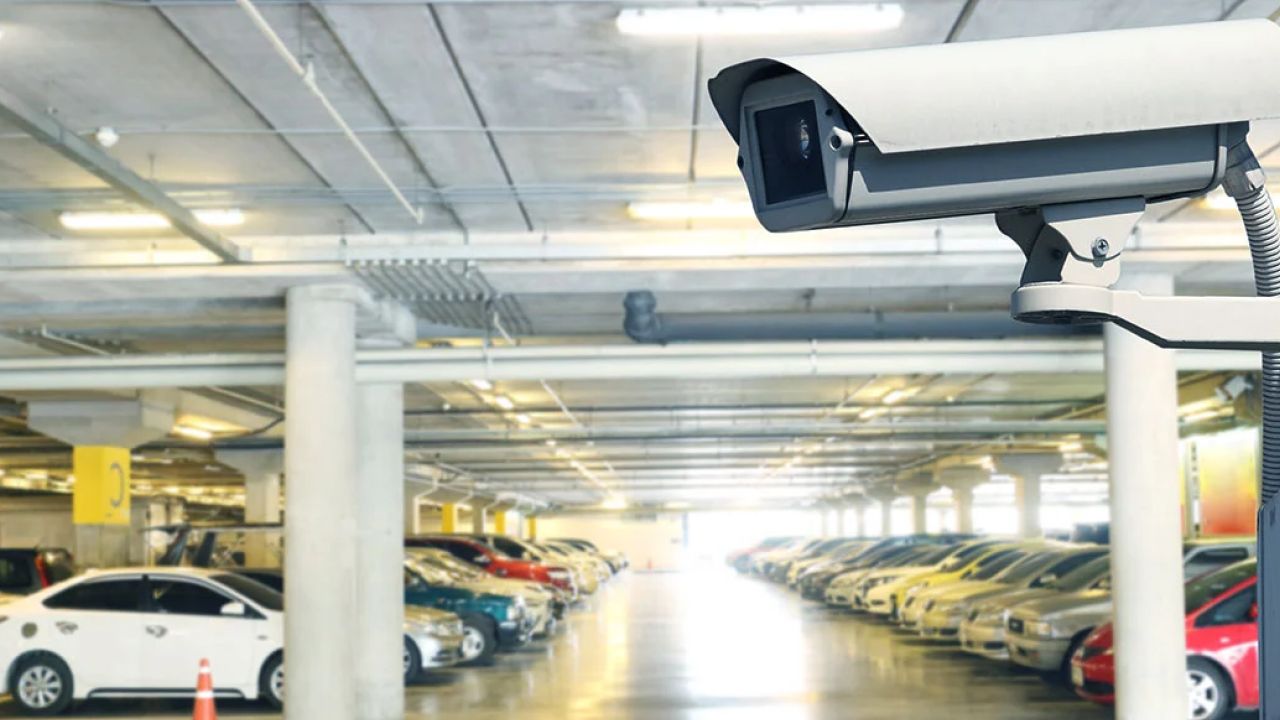
Revolutionizing Parking Lot Security: Advanced Surveillance Strategies for Safer Spaces
Parking lot surveillance has emerged as a vital aspect of modern security measures, addressing the increasing demand for safety in public areas. As criminal tactics evolve, so too must security strategies, with video surveillance playing a key role in managing parking spaces and preventing crime. The use of surveillance cameras and remote monitoring systems has transformed the way vehicles, property, and individuals are protected in these vulnerable spaces.
To bolster security, businesses and property managers are adopting innovative solutions that go beyond traditional methods. Tools like live monitoring, two-way audio communication, and virtual security personnel are turning passive observation into proactive crime deterrence. This article delves into best practices for effective parking lot surveillance, including vulnerability assessments, strategic camera placement, visible security enhancements, and the application of artificial intelligence (AI) and data analytics. By integrating these approaches, organizations can create safer environments and mitigate potential threats within their parking areas.
A comprehensive risk assessment is the foundation of any effective parking lot security strategy. This involves identifying weak points and potential threats by examining crime hotspots, access points, and high-traffic zones.
A crucial step is to map crime hotspots within the parking lot. Historical crime data and incident reports help property managers and security teams identify areas more prone to criminal activity. Once identified, these high-risk zones can be targeted with enhanced security measures such as frequent patrols or additional camera coverage to deter criminal behavior.
The evaluation of entry and exit points is another key factor in reducing vulnerabilities. Poorly designed or unprotected access points can provide easy entry for unauthorized individuals, increasing the risk of theft, vandalism, or other criminal acts. To address this, property managers should ensure that all entrances and exits are well-lit, equipped with access control measures, and monitored by cameras. Such precautions not only help deter crime but also provide valuable footage in case of security incidents.
High-traffic areas, such as pedestrian walkways, staircases, and elevators, are also at increased risk. Criminals often target these zones due to the higher likelihood of encountering potential victims. To enhance security in these spots, property managers should install cameras with motion detection and real-time monitoring capabilities, allowing for quicker response to suspicious activities.
By carefully assessing these vulnerabilities, property owners can create tailored security strategies that address specific risks. Incorporating advanced surveillance technology into these plans offers a heightened level of protection, enabling real-time detection and response to potential threats, ultimately safeguarding both patrons and property.
Effective surveillance hinges on the thoughtful placement of security cameras. With proper positioning, cameras can maximize coverage, eliminate blind spots, and enhance overall security in parking lots.
Overview cameras are essential for providing a broad, comprehensive view of the entire lot, allowing security personnel to monitor general activity and spot potential threats. Placing these cameras at elevated locations, such as light poles or building exteriors, ensures maximum field of vision.
In addition to general coverage, choke point monitoring is crucial. Choke points—entrances, exits, and walkways—are high-traffic areas where individuals and vehicles funnel through. By focusing cameras on these locations, security teams can closely monitor movement and detect suspicious behavior. High-resolution cameras with advanced analytics further enhance this process by capturing detailed footage and automatically flagging unusual activities.
Eliminating blind spots is equally important. These hidden areas, which are not covered by cameras, provide criminals with opportunities to operate undetected. A thorough site survey should identify these spots, allowing for the installation of additional cameras where necessary. Ensuring overlapping camera fields of view eliminates blind spots and guarantees comprehensive coverage of the parking area.
High-quality cameras equipped with features like night vision, motion detection, and remote monitoring can significantly enhance the effectiveness of the surveillance system. By integrating state-of-the-art technology with professional expertise, property managers can establish robust surveillance systems that deter crime and create a safer environment for users.
Visible security measures play a pivotal role in discouraging criminal behavior while fostering a sense of safety among parking lot users. Key elements like clear signage, security personnel, and emergency stations contribute to a secure environment.
Signage is the first line of defense. Clearly marked signs indicating the presence of surveillance, security patrols, and emergency contact details can serve as a strong deterrent, signaling that the area is actively monitored and protected.
Employing security guards adds another layer of protection. The mere presence of uniformed personnel patrolling the parking lot acts as a powerful visual deterrent against criminal activities.
Emergency stations with blue lights are also effective deterrents. These highly visible stations are equipped with phones that provide direct communication with security dispatch in case of emergencies. The prominent blue light atop these towers ensures they can be easily located, adding a reassuring layer of safety for parking lot users.
To maximize the impact of these visible measures, they should be strategically placed at entrances, exits, and high-traffic areas. Security guards should maintain a regular patrol schedule covering the entire parking lot, while emergency stations should be installed in easily accessible, well-lit areas. This combination of visible security strategies not only discourages criminal activity but also enhances the overall safety and confidence of parking lot patrons.
The integration of AI and advanced analytics in parking lot security has transformed how potential threats are identified and addressed. These technologies enable faster, more accurate detection of suspicious activity, allowing for a more proactive approach to security.
AI-powered systems excel at detecting unusual behavior, such as individuals loitering for extended periods or attempting to break into vehicles. When such activities are identified, security teams are immediately alerted, enabling swift intervention to prevent crimes.
Advanced analytics also support vehicle tracking within parking lots, recording license plate information and monitoring vehicle movement. This data can be instrumental in identifying stolen vehicles or repeat offenders, while also aiding law enforcement investigations.
Moreover, AI is invaluable in analyzing incident patterns. By reviewing historical data, AI algorithms can detect trends, such as a rise in vehicle break-ins during certain times, allowing property managers to deploy security personnel accordingly and reduce future incidents.
The benefits of incorporating AI and analytics extend beyond crime prevention. These technologies streamline operations by reducing the workload on security staff, enabling them to focus on critical tasks. Additionally, the data gathered through AI-powered surveillance provides valuable insights into parking lot usage, helping managers optimize facility layout and improve user experiences.
As AI technology continues to advance, its role in parking lot security will only become more significant, offering ever-greater levels of protection and efficiency.
Articles
All articles
The Complete Guide to Retail Crowd Density Monitoring Using Video Analytics
The Complete Guide to Retail Crowd Density Monitoring Using Video Analytics

The Ultimate Guide to Occupancy Tracking Technology: Systems, Sensors, and Strategy
The Ultimate Guide to Occupancy Tracking Technology: Systems, Sensors, and Strategy
Maximizing Retail Performance: The Ultimate Guide to Heat Mapping Technology
Maximizing Retail Performance: The Ultimate Guide to Heat Mapping Technology

The Complete Guide to Deploying AI Video Analytics in Retail and Enterprise
The Complete Guide to Deploying AI Video Analytics in Retail and Enterprise

How to Design a Scalable Video Surveillance System for Multi-Site Retail
How to Design a Scalable Video Surveillance System for Multi-Site Retail

Upgrading Legacy CCTV: How to Integrate AI Without a Rip-and-Replace
Upgrading Legacy CCTV: How to Integrate AI Without a Rip-and-Replace

Upgrading Legacy CCTV: The Complete Guide to AI Security Camera Integration
Upgrading Legacy CCTV: The Complete Guide to AI Security Camera Integration
The Evolution of Video Analytics: How AI Transforms Security and Operations
The Evolution of Video Analytics: How AI Transforms Security and Operations

How AI Video Surveillance Solves Security Staffing Shortages and Reduces Costs
How AI Video Surveillance Solves Security Staffing Shortages and Reduces Costs

Maximizing Security System ROI: The Financial Case for Smart Surveillance
Maximizing Security System ROI: The Financial Case for Smart Surveillance

How to Calculate the ROI of a Business Security System
How to Calculate the ROI of a Business Security System
Master Multi-Brand CCTV Management: The Ultimate Guide to Brand-Agnostic Surveillance
Master Multi-Brand CCTV Management: The Ultimate Guide to Brand-Agnostic Surveillance

Strategic Guide to Retail Video Surveillance Migration: Upgrading Legacy Systems
Strategic Guide to Retail Video Surveillance Migration: Upgrading Legacy Systems

How to Reduce Commercial Security Costs Without Compromising Protection
How to Reduce Commercial Security Costs Without Compromising Protection

How to Reduce Retail Operational Costs With Video Analytics
How to Reduce Retail Operational Costs With Video Analytics

Security Staffing Optimization: The Complete 2026 Guide
Security Staffing Optimization: The Complete 2026 Guide

AI Retail Theft Prevention: How Smart Cameras Stop Shrinkage
AI Retail Theft Prevention: How Smart Cameras Stop Shrinkage

Modern Shopping Center Security Systems: The Complete Guide
Modern Shopping Center Security Systems: The Complete Guide

Video Management Systems Explained: Features, Benefits, and How to Choose the Right VMS
Video Management Systems Explained: Features, Benefits, and How to Choose the Right VMS

The Reality of the Single Pane of Glass: Achieving Unified IT Visibility
The Reality of the Single Pane of Glass: Achieving Unified IT Visibility
Try TRASSIR For Your Business
Learn more about how TRASSIR analytic modules work! Demo mode is an opportunity to see for yourself how the system works, and also check the interface and test all the functions.Success!
We will contact you as soon as possible