




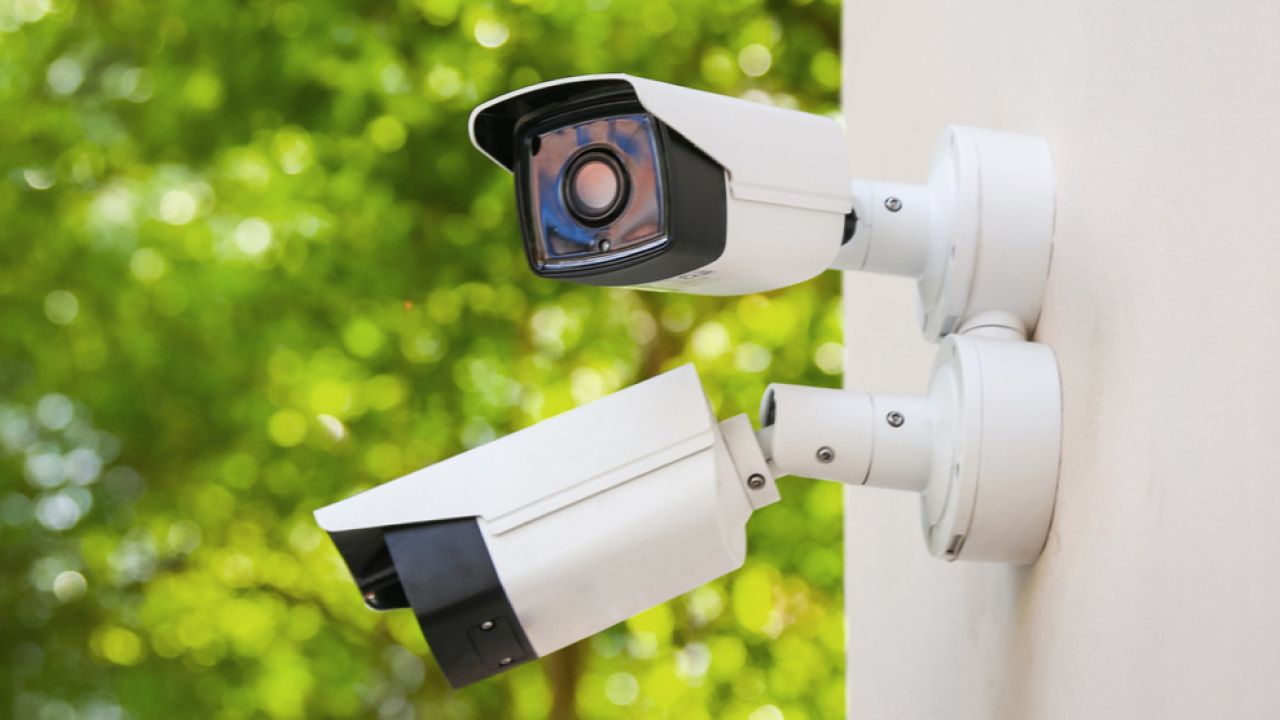
Should Your Business Invest in Security Cameras? Understanding the Right Choice for You
If you're considering security cameras for your business, the first crucial decision involves whether to opt for a professional-grade system or settle for consumer-grade cameras. This article will explore the drawbacks of consumer-grade cameras and highlight why a professionally installed security system is typically the better choice for most businesses.
To the untrained eye, professional-grade solutions and consumer-grade cameras may appear to offer similar benefits for your business. However, this perception is misleading.
A professional-grade security system generally includes an IP camera, a network video recorder (NVR), and the necessary infrastructure, such as a robust network, video management software, and a display for monitoring. In contrast, consumer-grade security cameras often come as standalone units, leaving you responsible for their installation and management through an application that likely requires additional fees for storage and premium features.
This situation raises a significant concern: many consumer-grade cameras are marketed misleadingly as "professional solutions." In reality, these cameras are ill-suited for most business environments. Misleading advertising and misinformation can lead businesses to mistakenly adopt these inferior recording devices. Unfortunately, many consumer camera companies mandate paid services for accessing even a fraction of the capabilities available in professional-grade systems, leading businesses to eventually switch to more reliable solutions, often at a financial loss.
With numerous brands touting terms like "high-resolution" and "night vision," it can be challenging to discern the truth behind these claims. The reality is that many consumer-grade cameras fall short of delivering the promised quality, and their features may be inconsistent or unreliable.
If high-resolution images or effective night vision are priorities for your security needs, consumer-grade cameras may not be the right choice. Terms like "night vision" can be vaguely defined; while infrared sensors offer some functionality, this technology is increasingly outdated. Professional-grade systems, on the other hand, utilize advanced technologies like Wide Dynamic Range (WDR) to provide full-color footage in low-light conditions. Moreover, you can access high-quality images from any device, whether it’s a desktop, tablet, or smartphone.
Many businesses hesitate to invest in professional-grade security systems due to the misconception that this choice will lead to higher costs over time. However, the DIY consumer security market often restricts compatibility, as many cameras only work with a single video management software. This limitation can lead to complications if a device fails, leaving you reliant on the same manufacturer for replacements.
One significant advantage of professional systems is their open-platform nature, allowing for compatibility with numerous other surveillance camera brands. This flexibility enables you to select the best cameras for specific applications, guided by the expertise of certified installers. Additionally, open-source platforms allow integration with other security technologies, such as access control systems and advanced video analytics.
Commercial-grade cameras are engineered for high-performance applications, utilizing superior components for increased efficiency. Here are some compelling reasons to opt for a professional-grade security system:
Large-scale Camera Needs: For businesses requiring more than four cameras, professional-grade systems provide superior software and viewing capabilities, making them essential for extensive installations.
Complete Control: Relying on consumer cameras with subscription services can place your video access in the hands of a third party. Should the application face downtime or maintenance issues, you could lose access to your footage.
Future Expansion: If you plan to start small but expand your camera system later, professional-grade solutions are designed to integrate smoothly with other commercial products.
Mixed Lighting Environments: To avoid the issues associated with unreliable infrared sensors, choose a professional system that offers advanced technology capable of capturing clear images in diverse lighting conditions.
Reliable Resolution: Commercial-grade cameras deliver higher standard resolutions and perform as promised, supported by better lenses and internal components.
Enhanced Security: High-profile incidents involving consumer-grade cameras being hacked have raised concerns about security. Investing in professional-grade systems can help mitigate these risks.
Advanced Features: Professional systems often come with specialized functions such as low-light capabilities, thermal imaging, vandal-proof designs, and options for license plate or facial recognition, among others.
Although you won’t find professional-grade security systems in big box retailers, they remain accessible to businesses through certified security companies that provide installation and support.
Professional-grade security cameras significantly contribute to loss prevention, helping recover stolen goods effectively. These systems offer enhanced quality, reliability, and functionality that businesses, schools, hospitals, government organizations, and commercial entities require for effective security management. Investing in a professional-grade security system is not merely a precaution; it’s a strategic decision that can protect your assets and ensure peace of mind.
Articles
All articles
The Complete Guide to Retail Crowd Density Monitoring Using Video Analytics
The Complete Guide to Retail Crowd Density Monitoring Using Video Analytics

The Ultimate Guide to Occupancy Tracking Technology: Systems, Sensors, and Strategy
The Ultimate Guide to Occupancy Tracking Technology: Systems, Sensors, and Strategy
Maximizing Retail Performance: The Ultimate Guide to Heat Mapping Technology
Maximizing Retail Performance: The Ultimate Guide to Heat Mapping Technology
The Complete Guide to Deploying AI Video Analytics in Retail and Enterprise
The Complete Guide to Deploying AI Video Analytics in Retail and Enterprise

How to Design a Scalable Video Surveillance System for Multi-Site Retail
How to Design a Scalable Video Surveillance System for Multi-Site Retail

Upgrading Legacy CCTV: How to Integrate AI Without a Rip-and-Replace
Upgrading Legacy CCTV: How to Integrate AI Without a Rip-and-Replace
Upgrading Legacy CCTV: The Complete Guide to AI Security Camera Integration
Upgrading Legacy CCTV: The Complete Guide to AI Security Camera Integration
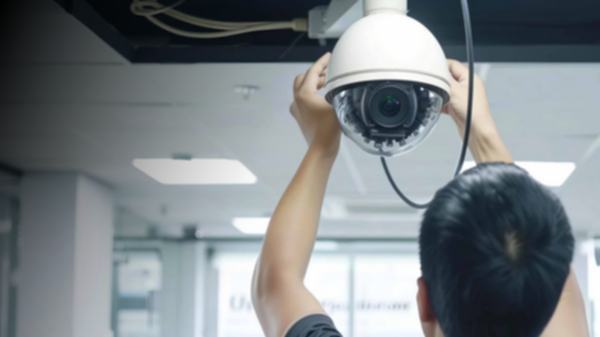
The Evolution of Video Analytics: How AI Transforms Security and Operations
The Evolution of Video Analytics: How AI Transforms Security and Operations

How AI Video Surveillance Solves Security Staffing Shortages and Reduces Costs
How AI Video Surveillance Solves Security Staffing Shortages and Reduces Costs

Maximizing Security System ROI: The Financial Case for Smart Surveillance
Maximizing Security System ROI: The Financial Case for Smart Surveillance

How to Calculate the ROI of a Business Security System
How to Calculate the ROI of a Business Security System
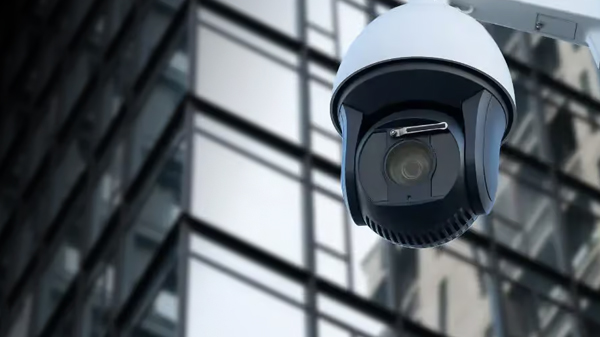
Master Multi-Brand CCTV Management: The Ultimate Guide to Brand-Agnostic Surveillance
Master Multi-Brand CCTV Management: The Ultimate Guide to Brand-Agnostic Surveillance

Strategic Guide to Retail Video Surveillance Migration: Upgrading Legacy Systems
Strategic Guide to Retail Video Surveillance Migration: Upgrading Legacy Systems

How to Reduce Commercial Security Costs Without Compromising Protection
How to Reduce Commercial Security Costs Without Compromising Protection
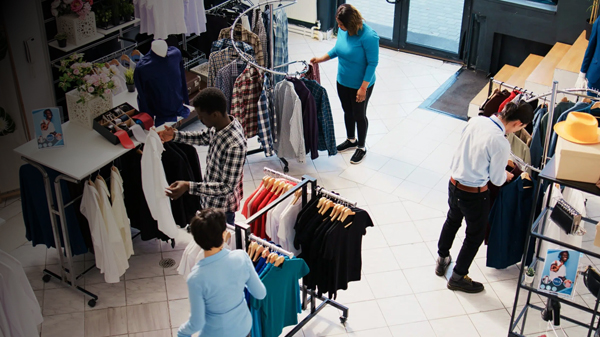
How to Reduce Retail Operational Costs With Video Analytics
How to Reduce Retail Operational Costs With Video Analytics
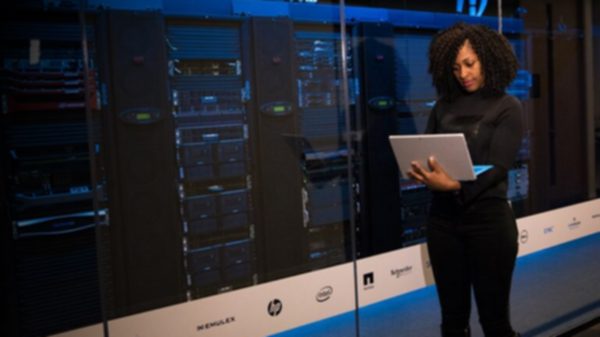
Security Staffing Optimization: The Complete 2026 Guide
Security Staffing Optimization: The Complete 2026 Guide

AI Retail Theft Prevention: How Smart Cameras Stop Shrinkage
AI Retail Theft Prevention: How Smart Cameras Stop Shrinkage

Modern Shopping Center Security Systems: The Complete Guide
Modern Shopping Center Security Systems: The Complete Guide
Video Management Systems Explained: Features, Benefits, and How to Choose the Right VMS
Video Management Systems Explained: Features, Benefits, and How to Choose the Right VMS

The Reality of the Single Pane of Glass: Achieving Unified IT Visibility
The Reality of the Single Pane of Glass: Achieving Unified IT Visibility
Try TRASSIR For Your Business
Learn more about how TRASSIR analytic modules work! Demo mode is an opportunity to see for yourself how the system works, and also check the interface and test all the functions.Success!
We will contact you as soon as possible