




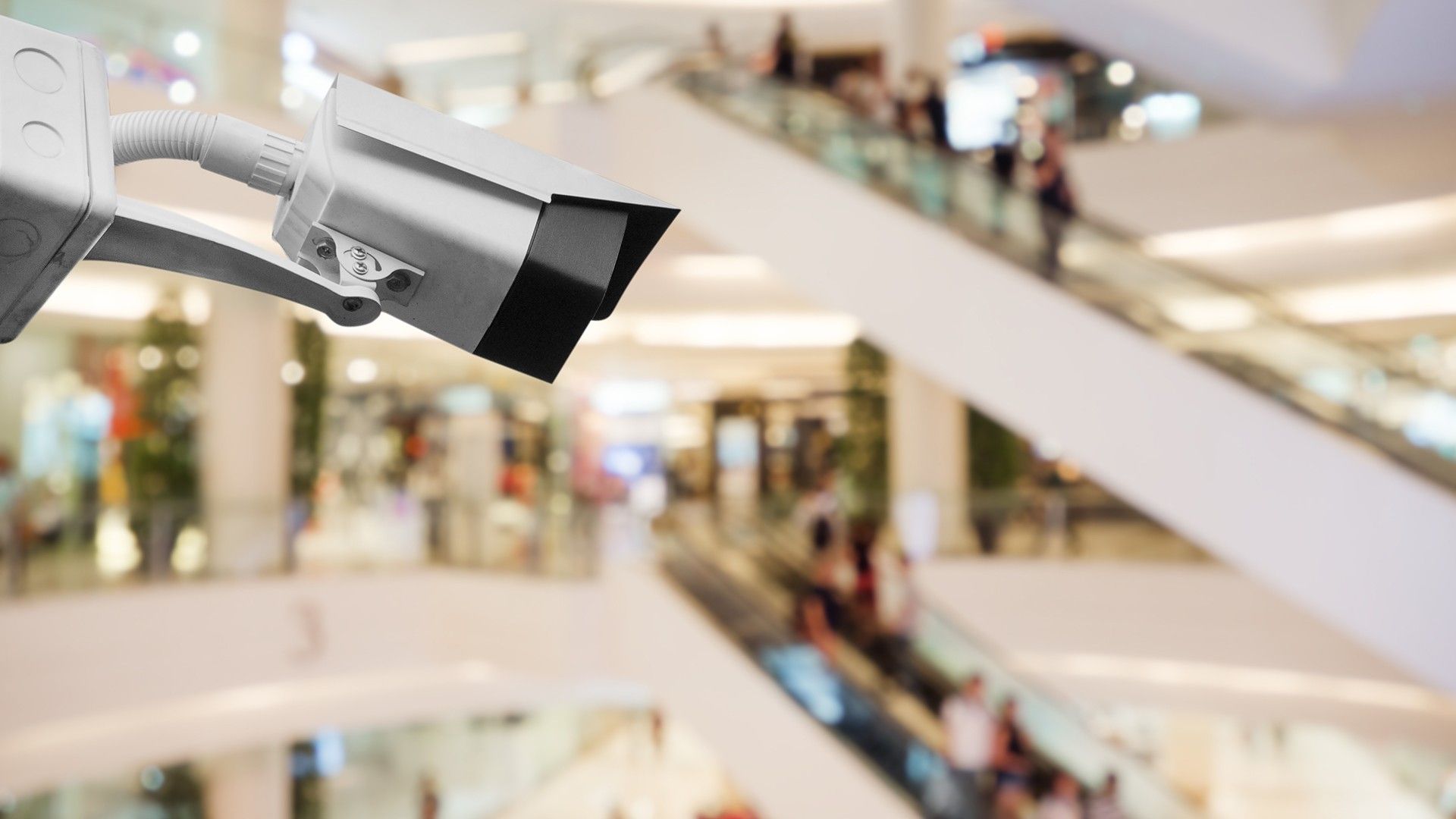
The Future of Shopping Center Security: Embracing Remote Guarding Technologies
In the rapidly evolving landscape of retail, shopping center security faces increasingly sophisticated threats. The emergence of advanced criminal tactics, coupled with the demand for cost-efficient protective measures, has prompted a significant shift in security protocols. Among these innovations, remote guarding has surfaced as a state-of-the-art solution that integrates real-time monitoring with cutting-edge technology, delivering robust protection for retail environments and their patrons.
This article delves into the transformative impact of remote guarding on shopping center security. It traces the evolution of security methodologies, outlines the critical elements of remote guarding systems, and highlights the advantages of adopting these solutions. Furthermore, it provides actionable steps for implementing remote guarding in shopping centers, emphasizing how this strategy not only enhances security but also offers a compelling return on investment for property managers and owners.
Over the years, shopping center security has undergone a remarkable metamorphosis. Historically, traditional security measures—such as on-site guards and CCTV surveillance—formed the backbone of retail security. However, these conventional approaches often fall short in areas such as coverage, response times, and overall cost-effectiveness.
In earlier times, shopping centers depended heavily on physical security personnel to patrol the premises and monitor for suspicious activities. While the presence of security guards was instrumental in deterring crime and managing incidents, their effectiveness was hampered by human limitations and the constraints of physical presence. The introduction of CCTV systems enhanced surveillance capabilities, but these tools often functioned reactively, providing footage only after incidents had occurred.
The advent of remote guarding has marked a turning point in shopping center security. By utilizing advanced technologies such as real-time video monitoring, intelligent video analytics, and remote access control, shopping centers can now adopt a proactive, all-encompassing security framework.
AI-powered surveillance systems offer numerous benefits that significantly bolster shopping center security. These systems are capable of analyzing video feeds in real time, identifying anomalies, suspicious behaviors, and potential threats. With the incorporation of machine learning algorithms, these systems continuously refine their accuracy and adaptability.
By embracing remote guarding alongside AI-driven surveillance, shopping centers can enhance safety, mitigate risks, and cultivate a secure environment for both customers and employees.
Remote guarding systems comprise several essential components that collaborate to ensure comprehensive security for shopping centers. These include high-resolution cameras, AI-enabled video analytics, and round-the-clock monitoring centers.
High-Quality Cameras: Clear and detailed footage is crucial for effective surveillance. Strategically placed cameras should cover all vital areas, including entrances, exits, parking lots, and communal spaces. Equipped with advanced features such as high-resolution imaging, infrared night vision, and wide-angle lenses, these cameras ensure maximum visibility.
AI-Powered Video Analytics: This technology employs machine learning algorithms to assess video feeds in real-time, allowing for the detection of unusual activities and potential threats. The system can automatically alert monitoring personnel when suspicious behavior is identified, facilitating swift responses to security incidents.
24/7 Monitoring Centers: These centers are staffed by trained security professionals who vigilantly monitor video feeds, watching for signs of trouble. When an alert is triggered, they can quickly evaluate the situation and decide on the necessary course of action, whether that involves contacting law enforcement or dispatching on-site security personnel.
By integrating these components, remote guarding systems present a proactive and efficient strategy for securing shopping centers.
Remote guarding services are redefining shopping center security by offering proactive, real-time monitoring and rapid response capabilities. Leveraging technologies such as AI-driven video analytics, remote access controls, and continuous surveillance, these solutions enable swift and accurate detection of potential threats.
Moreover, remote guarding significantly enhances response times to security breaches. Upon detecting a threat, immediate alerts are sent to the monitoring center, where trained professionals assess the situation and execute the appropriate actions. This might involve coordinating with on-site security or emergency services, depending on the severity of the incident. The ability to respond promptly reduces the impact of security breaches and helps maintain a safe environment.
Additionally, remote guarding serves as a cost-effective alternative to traditional security methods. By decreasing the reliance on on-site personnel and optimizing resource allocation, shopping centers can bolster their security measures while effectively managing costs. The comprehensive coverage and real-time monitoring capabilities of remote guarding ensure that all areas of the property are secured, eliminating blind spots and vulnerabilities.
Integrating remote guarding solutions into shopping center security strategies represents a proactive step toward fostering a safer, more secure environment. By harnessing advanced technologies and expertise, these services provide unparalleled protection, swift response times, and cost-efficient solutions that adapt to the ever-evolving security challenges faced by retail spaces.
Successfully integrating remote guarding in shopping centers necessitates thorough planning and execution to optimize security and efficiency. The implementation process involves assessing the center's security requirements, selecting an appropriate remote guarding provider, and ensuring seamless integration with existing security systems.
Conducting a Comprehensive Security Assessment: This initial step involves identifying potential vulnerabilities, evaluating risks, and formulating a tailored security strategy. Factors to consider include the center's layout, foot traffic, current security measures, and historical incidents.
Choosing the Right Remote Guarding Provider: It is vital for shopping centers to select a provider that offers dependable equipment, advanced technology, and experienced personnel. The chosen provider should also deliver customizable solutions that align with the specific security needs of the center.
Integrating Remote Guarding with Existing Systems: For optimal performance and enhanced protection, it is crucial to integrate remote guarding with current security systems. This integration facilitates real-time monitoring, quick incident response, and improved coordination between remote and on-site security teams.
Ensuring Proper Installation and Maintenance: Engaging professional security system integrators is essential for the correct installation and configuration of the remote guarding system. Ongoing maintenance, including regular upgrades and testing, is necessary to sustain the system’s effectiveness over time.
Articles
All articles
The Complete Guide to Retail Crowd Density Monitoring Using Video Analytics
The Complete Guide to Retail Crowd Density Monitoring Using Video Analytics

The Ultimate Guide to Occupancy Tracking Technology: Systems, Sensors, and Strategy
The Ultimate Guide to Occupancy Tracking Technology: Systems, Sensors, and Strategy
Maximizing Retail Performance: The Ultimate Guide to Heat Mapping Technology
Maximizing Retail Performance: The Ultimate Guide to Heat Mapping Technology
The Complete Guide to Deploying AI Video Analytics in Retail and Enterprise
The Complete Guide to Deploying AI Video Analytics in Retail and Enterprise

How to Design a Scalable Video Surveillance System for Multi-Site Retail
How to Design a Scalable Video Surveillance System for Multi-Site Retail

Upgrading Legacy CCTV: How to Integrate AI Without a Rip-and-Replace
Upgrading Legacy CCTV: How to Integrate AI Without a Rip-and-Replace

Upgrading Legacy CCTV: The Complete Guide to AI Security Camera Integration
Upgrading Legacy CCTV: The Complete Guide to AI Security Camera Integration
The Evolution of Video Analytics: How AI Transforms Security and Operations
The Evolution of Video Analytics: How AI Transforms Security and Operations

How AI Video Surveillance Solves Security Staffing Shortages and Reduces Costs
How AI Video Surveillance Solves Security Staffing Shortages and Reduces Costs

Maximizing Security System ROI: The Financial Case for Smart Surveillance
Maximizing Security System ROI: The Financial Case for Smart Surveillance

How to Calculate the ROI of a Business Security System
How to Calculate the ROI of a Business Security System
Master Multi-Brand CCTV Management: The Ultimate Guide to Brand-Agnostic Surveillance
Master Multi-Brand CCTV Management: The Ultimate Guide to Brand-Agnostic Surveillance

Strategic Guide to Retail Video Surveillance Migration: Upgrading Legacy Systems
Strategic Guide to Retail Video Surveillance Migration: Upgrading Legacy Systems

How to Reduce Commercial Security Costs Without Compromising Protection
How to Reduce Commercial Security Costs Without Compromising Protection
How to Reduce Retail Operational Costs With Video Analytics
How to Reduce Retail Operational Costs With Video Analytics
Security Staffing Optimization: The Complete 2026 Guide
Security Staffing Optimization: The Complete 2026 Guide

AI Retail Theft Prevention: How Smart Cameras Stop Shrinkage
AI Retail Theft Prevention: How Smart Cameras Stop Shrinkage

Modern Shopping Center Security Systems: The Complete Guide
Modern Shopping Center Security Systems: The Complete Guide
Video Management Systems Explained: Features, Benefits, and How to Choose the Right VMS
Video Management Systems Explained: Features, Benefits, and How to Choose the Right VMS

The Reality of the Single Pane of Glass: Achieving Unified IT Visibility
The Reality of the Single Pane of Glass: Achieving Unified IT Visibility
Try TRASSIR For Your Business
Learn more about how TRASSIR analytic modules work! Demo mode is an opportunity to see for yourself how the system works, and also check the interface and test all the functions.Success!
We will contact you as soon as possible