The Ultimate Guide to Modern Retail Security Systems and Surveillance
The Shift Toward Centralized Security Management
Managing security across multiple retail locations presents a logistical hurdle. Historically, large retailers have relied on fragmented security measures, resulting in a disjointed mix of vendors, software applications, and legacy hardware. When each store operates on a localized system, it creates data silos, making it difficult for regional or national managers to get a clear, comprehensive view of their operations.
Centralization solves the challenges associated with managing a massive footprint. By shifting security operations to a unified, centralized platform, retailers achieve a single pane of glass that provides complete visibility across all locations. This consolidated approach allows loss prevention teams to monitor incidents, deploy system updates, and manage user credentials from a single location rather than relying on on-site interventions. Furthermore, centralized management enables standardized security protocols, ensuring that every store—regardless of its geographic location—meets the same high baseline for safety and operational compliance.
Key Components of a Modern Retail Security Ecosystem
A robust retail security strategy relies on layered physical security measures that work seamlessly together rather than in isolation. A modern ecosystem is typically built on three foundational pillars:
First, high-definition video surveillance serves as the eyes of the operation. Modern network video cameras do far more than record footage; they capture clear, actionable data in varying lighting conditions, ensuring that critical details are not missed.
Second, integrated access control systems provide the vital function of restricting sensitive areas. In a retail setting, stockrooms, administrative offices, and cash-handling zones require strict access protocols. By moving away from traditional physical keys to managed access control—such as keycards, mobile credentials, or biometric scanners—retailers can track exactly who enters a restricted area and at what time.
Third, intrusion detection and automated alarm systems serve as the immediate response layer. When these three systems are integrated, they create a cohesive defense mechanism. For example, if a restricted door is forced open, an integrated system can automatically trigger nearby cameras to record the event, sound a localized audio warning, and instantly send an alert to remote management teams.
The Role of AI and Analytics in Proactive Loss Prevention
Perhaps the most significant leap forward in retail security is the integration of Artificial Intelligence (AI) and predictive analytics. Traditional security strategies were largely reactive, but AI empowers systems to anticipate and flag potential threats in real time.
AI-powered surveillance cameras can continuously analyze video feeds for suspicious behaviors or anomalies, such as loitering in high-value merchandise aisles or unauthorized access attempts. When the system detects a potential issue, it alerts security personnel immediately, allowing for rapid intervention before an incident escalates into a significant loss. Beyond immediate threat detection, predictive analytics allow retailers to identify broader risk trends across their network. By analyzing historical data regarding shrinkage, peak incident times, and recurring vulnerabilities, loss prevention leaders can strategically deploy their resources to the highest-risk areas, transitioning from a responsive posture to a truly proactive defense.
Leveraging Security Technology to Enhance Customer Experience
While the primary mandate of surveillance is safety and loss prevention, the data captured by these systems has immense secondary value. Retailers are increasingly utilizing security infrastructure to optimize daily operations and elevate the customer journey.
Network video solutions equipped with intelligent analytics can accurately measure foot traffic, monitor queue lengths, and track store occupancy levels. By analyzing how customers navigate the shop floor, management can identify bottlenecks and optimize the layout of displays to improve flow. Furthermore, real-time data on checkout lines can automatically alert managers to deploy additional cashiers when wait times exceed a certain threshold. By utilizing the same hardware ecosystem to secure the premises and gather behavioral data, retailers can significantly improve operational efficiency without having to invest in entirely separate analytics platforms.
Cloud-Based Infrastructure and the Future of Retail Security
As the demands on retail security networks grow, the infrastructure supporting them must be highly scalable. Cloud-based security solutions represent the future standard for the industry, offering distinct advantages over traditional on-premise servers.
Cloud infrastructure reduces the heavy upfront costs associated with extensive hardware deployments and simplifies long-term maintenance. With data stored securely in the cloud, retail managers and security personnel can access real-time and archived footage remotely from any internet-connected device, providing unmatched operational flexibility. Additionally, cloud systems benefit from automatic, over-the-air software updates. This ensures that the surveillance network is always equipped with the latest features, bug fixes, and cybersecurity protections. As retail footprints expand or contract, cloud solutions offer the agility to seamlessly scale security measures up or down, proving to be an adaptable, future-proof investment.
Securing a retail environment requires more than simply installing cameras to watch over the cash register. As organized theft and operational challenges become more sophisticated, the solutions must evolve in tandem. By adopting centralized management, integrating physical security layers, and harnessing the power of AI and cloud computing, retailers can build a resilient infrastructure. Ultimately, these modern security ecosystems do more than just prevent loss—they provide actionable data that streamlines operations, protects employees, and creates a safer, more frictionless shopping experience for every customer who walks through the doors.
Key Takeaways:
Centralizing security operations allows multi-store retailers to manage surveillance, access control, and threat response from a single unified platform.
A modern security strategy requires the integration of video surveillance, access control, and automated alarms to provide a layered defense.
AI and video analytics shift loss prevention from a reactive process to a proactive strategy by instantly detecting anomalies and identifying risk trends.
Surveillance data can be repurposed to optimize retail operations by monitoring foot traffic, queue lengths, and customer navigation patterns.
Cloud-based security systems provide superior scalability, remote management capabilities, and automatic cybersecurity updates.
FAQ:
Q: How does centralizing security systems benefit a retail chain with multiple locations?
A: Centralization eliminates data silos by bringing all security applications and vendors into a single interface. It allows regional managers to oversee security across all stores simultaneously, deploy uniform policies, and respond to incidents remotely without needing to be on-site.
Q: What role does artificial intelligence play in modern retail surveillance?
A: AI enhances surveillance by continuously monitoring video feeds for suspicious behavior, unauthorized access, or anomalies. It instantly alerts security personnel to potential threats in real time, enabling rapid intervention before a theft or safety incident occurs.
Q: Can security cameras actually improve a store's customer service?
A: Yes. Modern network cameras equipped with analytics can track occupancy levels, map customer journeys, and monitor checkout queue lengths. Store managers can use this data to open more registers when lines get too long or reorganize the store layout to prevent bottlenecks.
Q: Why are retailers moving toward cloud-based security solutions?
A: Cloud-based systems offer significant flexibility and scalability. They lower initial hardware costs, allow management teams to access security data remotely from anywhere, and ensure that software is automatically kept up-to-date against the latest cybersecurity threats.
Articles
All articlesReal-Time Video Surveillance Explained: How AI Video Analytics Improves Security, Response, and Operations
Real-Time Video Surveillance Explained: How AI Video Analytics Improves Security, Response, and Operations
How to Reduce Alert Fatigue Using AI in Security Operations
How to Reduce Alert Fatigue Using AI in Security Operations
The True Cost of False Alarms: How AI and Remote Guarding Are Transforming Commercial Security
The True Cost of False Alarms: How AI and Remote Guarding Are Transforming Commercial Security
A Complete Guide to Anomaly Detection in Retail
A Complete Guide to Anomaly Detection in Retail
Multi-Site Security Management: Building a Centralized Surveillance Strategy
Multi-Site Security Management: Building a Centralized Surveillance Strategy
The Reality of the Single Pane of Glass: Achieving Unified IT Visibility
The Reality of the Single Pane of Glass: Achieving Unified IT Visibility
Video Management Systems Explained: Features, Benefits, and How to Choose the Right VMS
Video Management Systems Explained: Features, Benefits, and How to Choose the Right VMS
The Ultimate Guide to Modern Retail Security Systems and Surveillance
The Ultimate Guide to Modern Retail Security Systems and Surveillance
Supply Chain Cybersecurity: How TRASSIR Reduces Logistics Ransomware Risk by 65%
Supply Chain Cybersecurity: How TRASSIR Reduces Logistics Ransomware Risk by 65%
AI Warehouse Surveillance: How TRASSIR Cuts Theft by 30% in 2025
AI Warehouse Surveillance: How TRASSIR Cuts Theft by 30% in 2025
Construction Site Equipment Tracking: Preventing Million-Dollar Losses Through Advanced Logistics Solutions
Construction Site Equipment Tracking: Preventing Million-Dollar Losses Through Advanced Logistics Solutions
Zero Trust Security for Modern Supply Chain Operations: How TRASSIR Transforms Logistics Cybersecurity
Zero Trust Security for Modern Supply Chain Operations: How TRASSIR Transforms Logistics Cybersecurity
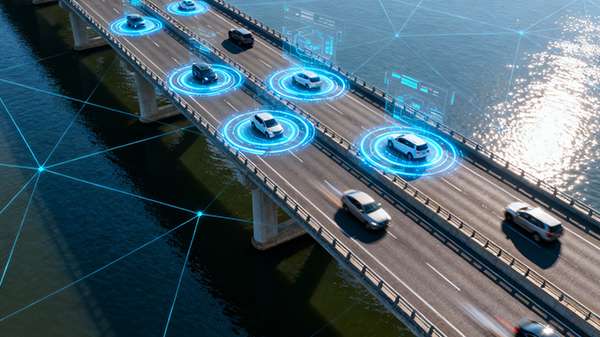
Real-Time Vehicle Monitoring: Enhancing Fleet Security with GPS and Cameras
Real-Time Vehicle Monitoring: Enhancing Fleet Security with GPS and Cameras
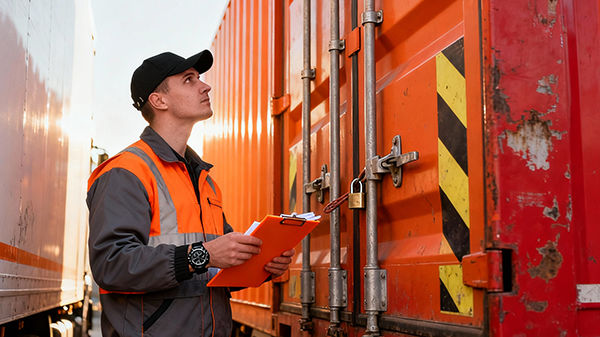
Preventing Cargo Theft: Advanced Security Solutions for Logistics Centers
Preventing Cargo Theft: Advanced Security Solutions for Logistics Centers
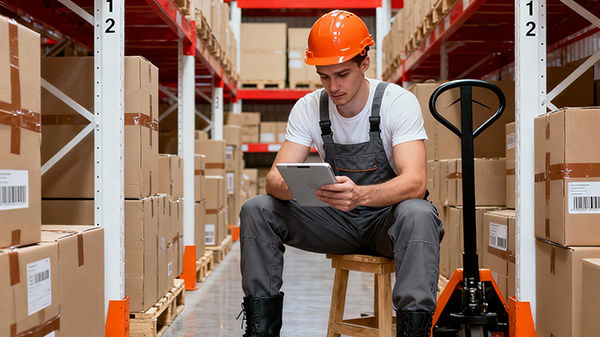
Video Analytics for Inventory Management: Streamlining Operations with TRASSIR's Intelligent Solutions
Video Analytics for Inventory Management: Streamlining Operations with TRASSIR's Intelligent Solutions
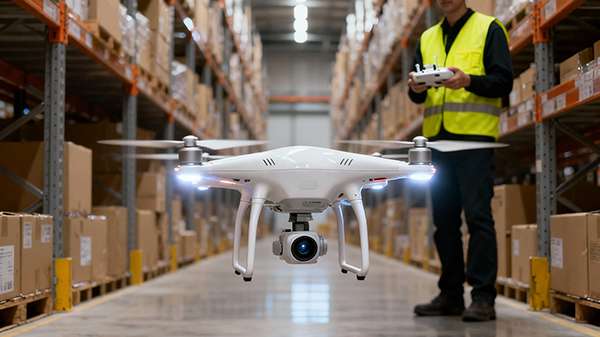
Drone Surveillance Technology: Revolutionizing Logistics Site Security
Drone Surveillance Technology: Revolutionizing Logistics Site Security
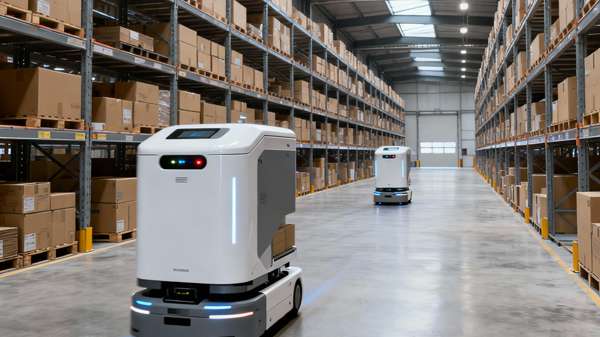
Smart Warehouse Monitoring: IoT Solutions for Real-Time Asset Tracking Transform Logistics Operations
Smart Warehouse Monitoring: IoT Solutions for Real-Time Asset Tracking Transform Logistics Operations
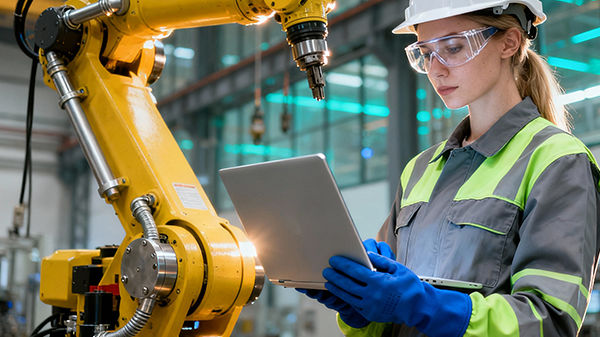
Predictive Analytics for Warehouse Safety: Reducing Accidents with AI
Predictive Analytics for Warehouse Safety: Reducing Accidents with AI
The Advantages of a Comprehensive Home Surveillance System
The Advantages of a Comprehensive Home Surveillance System
Seeing Clearly: The Advantages of 4K Surveillance for Businesses
Seeing Clearly: The Advantages of 4K Surveillance for Businesses
Try TRASSIR For Your Business
Learn more about how TRASSIR analytic modules work! Demo mode is an opportunity to see for yourself how the system works, and also check the interface and test all the functions.Success!
We will contact you as soon as possible